
What's Happening?
The United States Department of Agriculture (USDA) has announced a significant purchase of up to $263 million in agricultural products from U.S. producers. This initiative, led by Agriculture Secretary Brooke Rollins, is part of the USDA's efforts to support
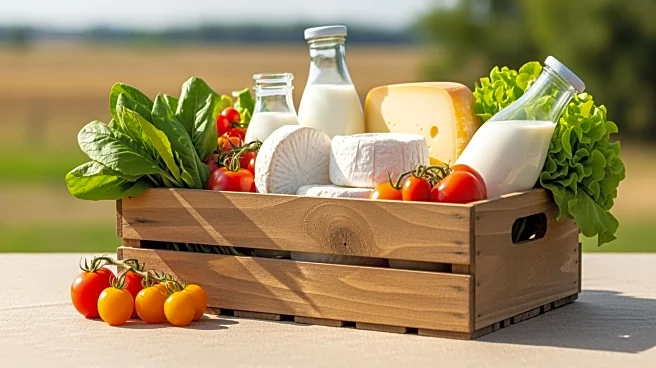
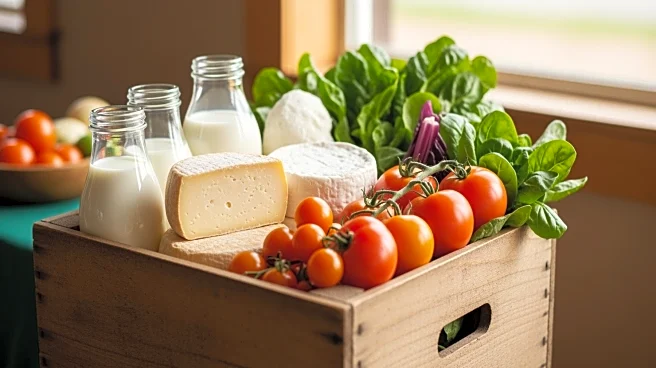
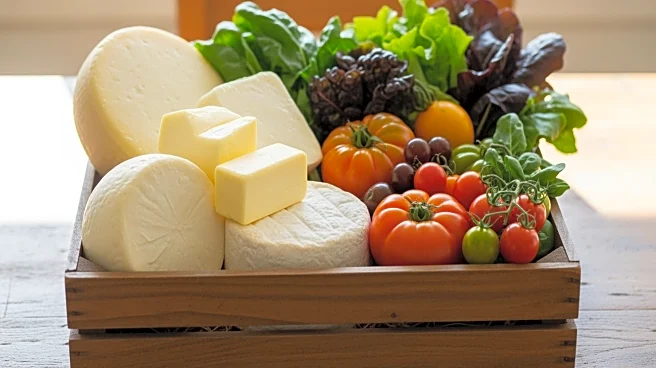
the agricultural economy and provide food assistance. The purchases will be made under Section 32 of the Agriculture Act of 1935, which allows the USDA to buy surplus commodities and distribute them to food banks and nutrition assistance programs nationwide. The funds will primarily be used to purchase dairy products, with $148 million allocated for this purpose, while the remainder will be spent on various specialty crops. The National Milk Producers Federation (NMPF) has expressed gratitude for the USDA's actions, highlighting the relief it will provide to dairy farmers facing low milk prices.
Why It's Important?
This USDA initiative is crucial for several reasons. Firstly, it provides direct financial support to U.S. farmers, particularly those in the dairy industry, who have been struggling with low prices and economic challenges. By purchasing these products, the USDA is helping to stabilize farm income and protect rural jobs, which are vital for the economic health of agricultural communities. Additionally, the distribution of these products to food banks and nutrition programs ensures that vulnerable populations have access to nutritious food, addressing food insecurity issues. This move also reinforces the role of agriculture as a cornerstone of economic resilience, supporting both the supply chain and consumer needs.
What's Next?
The USDA's purchase is expected to have immediate effects on the agricultural market by increasing demand for dairy and specialty crops. This could lead to a stabilization of prices and provide a much-needed boost to farmers' incomes. The distribution of these products to food banks will likely enhance food security for many Americans. Moving forward, the USDA may continue to monitor the agricultural economy and consider additional purchases or support measures as needed. Stakeholders, including farmers and food assistance organizations, will be watching closely to see how these actions impact the market and food supply chains.