




What's Happening?
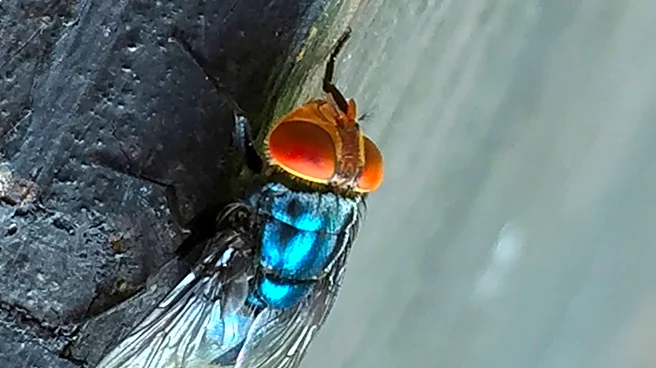
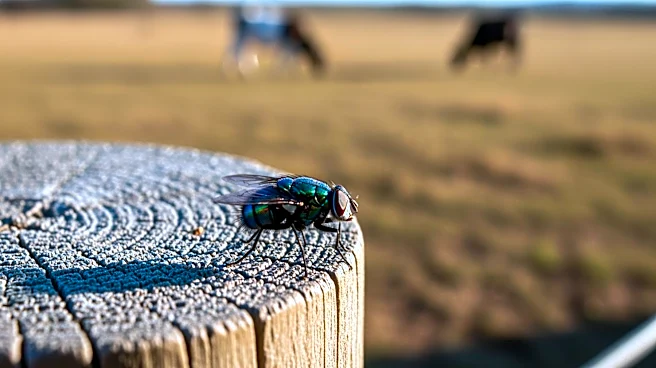
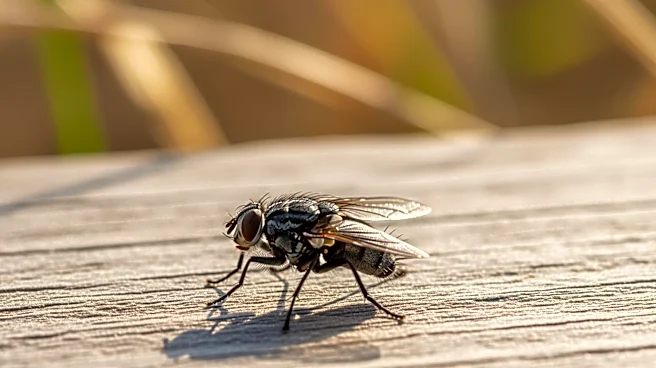
The U.S. Department of Agriculture (USDA) has confirmed the detection of the New World screwworm fly in Texas, marking the first such case in the U.S. since 1966. The parasite, known for its flesh-eating larvae, was found in a calf in La Pryor, Texas.
Agriculture Secretary Brooke Rollins announced a 12-mile quarantine zone to prevent the spread of the parasite, which poses a significant threat to livestock. The USDA has been preparing for this possibility by releasing millions of sterile screwworm flies to prevent the establishment of the pest. The screwworm fly, which lays eggs in open wounds, can cause severe damage to livestock and has historically led to significant economic losses.
Why It's Important?
The reappearance of the screwworm fly in Texas is a major concern for the U.S. cattle industry, which could face billions of dollars in losses if the parasite spreads. The USDA's proactive measures, including the release of sterile flies and the establishment of quarantine zones, are crucial in preventing a widespread outbreak. The situation highlights the importance of maintaining vigilance against invasive species that can have devastating impacts on agriculture and the economy. The USDA's confidence in its preparations suggests that the risk of a mass infestation is low, but continued monitoring and response efforts are essential.
What's Next?
The USDA is continuing its efforts to contain the screwworm fly by expanding its sterile fly breeding programs and increasing surveillance along the U.S.-Mexico border. The agency is also working with local ranchers and veterinarians to ensure compliance with quarantine measures and to monitor for any additional cases. The situation will require ongoing collaboration between federal and state agencies, as well as the agricultural community, to prevent the screwworm from becoming reestablished in the U.S.