






What's Happening?
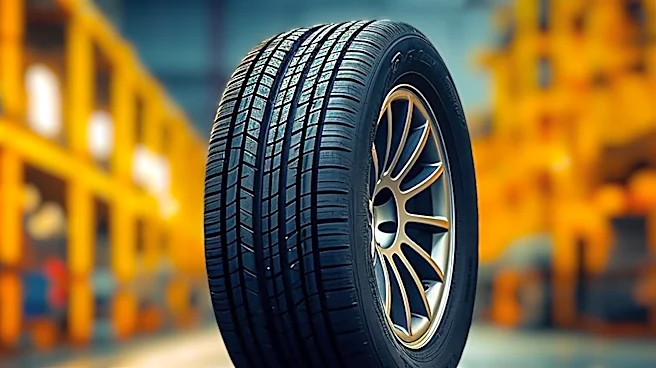
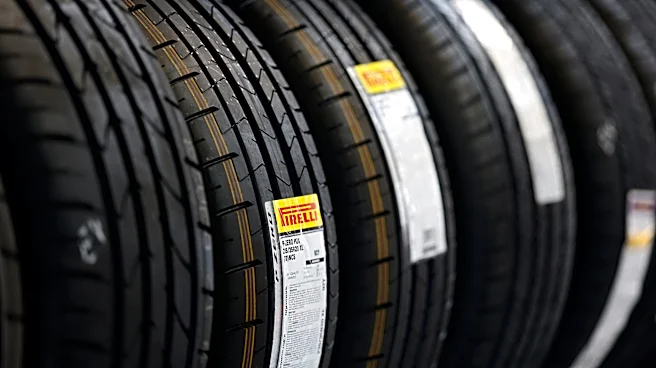
California's new regulations, approved by the California Energy Commission, will mandate that most replacement tires sold in the state meet minimum rolling-resistance/energy-efficiency standards starting in 2029. This change could eliminate up to 70%
of currently available tires and is projected by opponents, including the Tire Industry Association, to increase the cost of an average set of tires by several hundred dollars. Drivers and business owners are expressing frustration, arguing that these rules will further strain household budgets already grappling with high costs for gas, electricity, groceries, and housing. While Governor Gavin Newsom and other Democrats claim the new rules will save drivers $1 billion annually through improved fuel efficiency, industry leaders and consumers are skeptical, pointing to immediate price hikes and questioning the long-term savings.
Why It's Important?
These new tire regulations represent a significant policy shift aimed at improving energy efficiency and reducing carbon emissions in California, aligning with the state's broader environmental goals. However, the immediate economic impact on consumers and small businesses is a major concern. Drivers, who already face the highest gas prices in the U.S., will likely see increased costs for essential vehicle maintenance. Tire shop owners anticipate a decline in sales as customers delay purchases or opt for cheaper, potentially used, tires, which could raise safety concerns. This situation highlights the tension between environmental mandates and economic affordability, particularly in a state with a high cost of living. The debate also touches on the effectiveness of government mandates versus market-driven incentives for promoting energy-efficient products, with critics arguing that consumers should have more choices rather than being forced into more expensive options.
What's Next?
The first phase of the new regulations will begin in 2029, requiring replacement tires to meet a maximum rolling-resistance level of 9.1 newtons per kilonewton, with a stricter threshold of 7.2 in 2033. The California Energy Commission estimates potential savings for drivers in gas or electricity costs within months of implementation. However, industry groups like the U.S. Tire Manufacturers Association are urging the Commission to address concerns regarding replacement tire compatibility and consistent enforcement to protect consumers and ensure fair competition. It is anticipated that consumers will face higher upfront costs for tires, and the market will likely see a shift towards more energy-efficient models. The long-term impact on road safety, given the potential for drivers to delay tire replacement or opt for used tires, will be a critical area to monitor.
Beyond the Headlines
The controversy surrounding California's new tire regulations extends beyond mere cost and efficiency, touching upon broader themes of regulatory overreach and the balance between environmental protection and economic burden. Critics argue that such mandates, imposed by unelected officials, disproportionately affect working families and small businesses, contributing to the state's affordability crisis. This situation reflects a recurring pattern in California where ambitious environmental policies, while well-intentioned, often lead to increased costs for residents. The debate also raises questions about consumer choice and the role of government in dictating product standards, especially when the promised long-term savings are disputed by industry experts. The outcome of these regulations could influence similar policy discussions in other states considering stringent environmental mandates, serving as a case study for the economic and social implications of such measures.