




What's Happening?
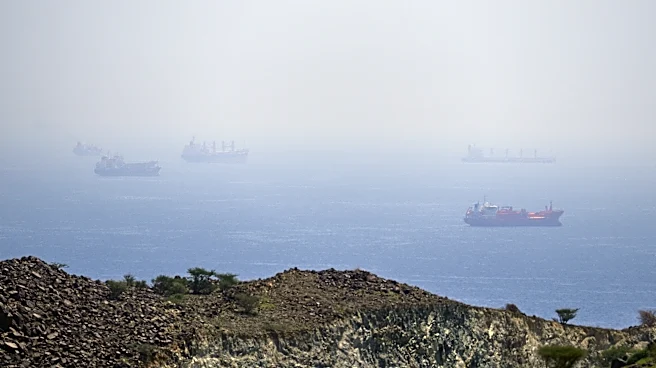
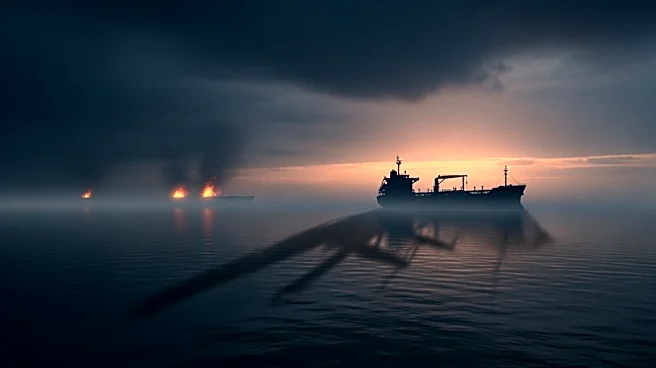
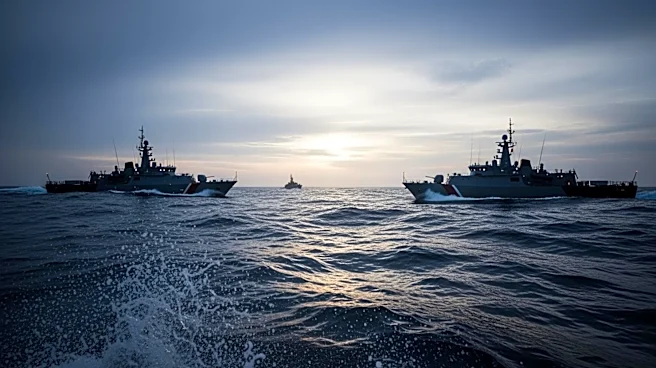
A container ship came under gunfire near the Strait of Hormuz, according to the UK Royal Navy, marking the latest escalation in maritime tensions since late February. Iranian tankers are reportedly switching off AIS tracking signals to smuggle oil past
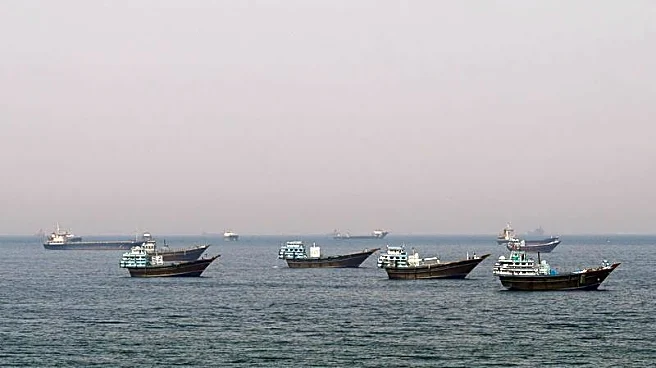
the US blockade. Hundreds of commercial tankers are stranded on both sides of the strait, disrupting 25% of global seaborne oil trade. The disruption began after the US and Israel launched an air campaign against Iran, effectively closing one of the world's most critical shipping lanes. The closure has triggered an energy price shock, affecting global markets.
Why It's Important?
The ongoing tensions in the Strait of Hormuz have significant implications for global energy markets and geopolitical stability. As a critical chokepoint for oil and LNG trade, disruptions in the strait can lead to supply shortages and price volatility, impacting economies worldwide. The strategic importance of the strait makes it a focal point for international diplomacy and military strategy. The situation underscores the need for effective conflict resolution and energy security measures. Companies involved in energy production and shipping must navigate increased risks and uncertainties, potentially affecting investment decisions and operational strategies.