


What's Happening?
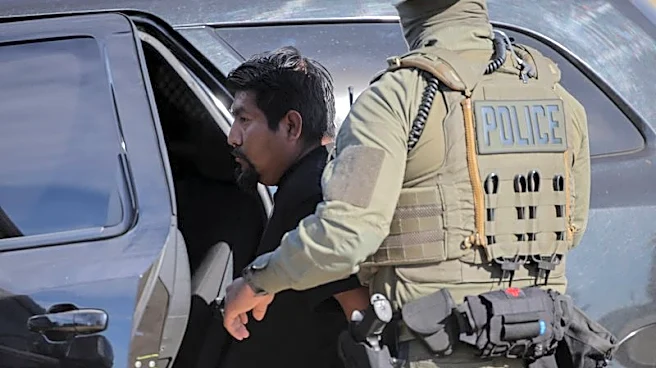
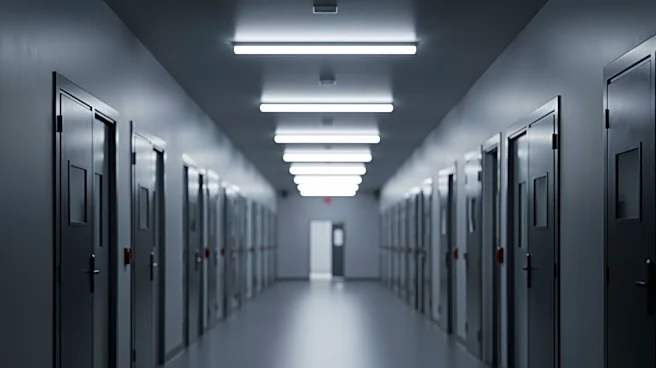
A federal judge has ruled that the U.S. Department of Homeland Security cannot prevent clergy from visiting the Immigration and Customs Enforcement (ICE) facility in Broadview, Illinois. This decision comes after religious leaders sued for access, citing
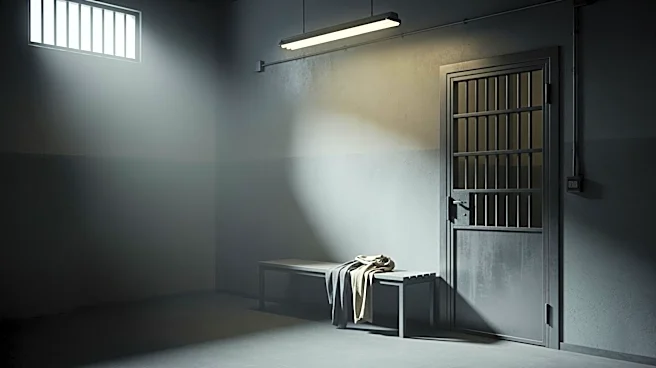
the need to minister to detainees during religious observances. Judge Robert Gettleman issued a preliminary injunction allowing daily visits by clergy while the case is pending. The Trump administration opposed this access, arguing that the facility is meant for short-term holding and suggesting clergy visit longer-term facilities instead. Despite the ruling, some detainees remained handcuffed during religious services, which clergy described as unnecessary and dehumanizing. The case highlights ongoing tensions between religious groups and immigration enforcement policies.
Why It's Important?
The ruling underscores the ongoing debate over immigration enforcement and religious freedom in the U.S. It highlights the clash between federal immigration policies and humanitarian concerns raised by religious groups. The decision may set a precedent for similar cases, potentially influencing how religious access to detainees is handled nationwide. The involvement of clergy in immigration facilities could impact public perception of ICE practices, especially regarding the treatment of detainees. This case also reflects broader societal concerns about the balance between security measures and human rights, particularly in the context of immigration enforcement.
What's Next?
The case is expected to proceed with further legal discussions on safety protocols for clergy visits. Both sides are required to confer on appropriate measures to ensure security during these visits. The broader implications of this ruling may lead to increased advocacy from religious groups for access to other ICE facilities. Additionally, the ongoing legal proceedings could influence future policies regarding religious access to detainees, potentially affecting how immigration enforcement is conducted in the U.S.