








What's Happening?
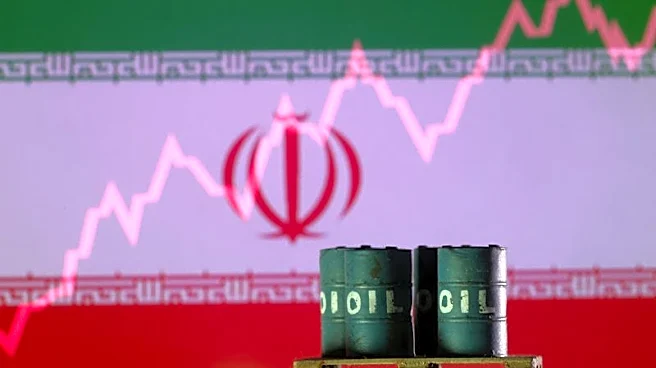
China, the world's largest crude oil importer, is experiencing a significant shift in its energy strategy due to the ongoing Middle East conflict. The conflict has led to a decrease in China's crude oil imports, particularly from Iran, which have more
than halved in June compared to the previous month. This reduction is part of a broader trend where China's overall crude imports have dropped by 29% in May from the previous year, reaching the lowest level since February 2018. The Chinese government, led by Premier Li Qiang, is focusing on expanding non-fossil energy sources and building a new energy system, as part of its green transition efforts. This strategic pivot is further emphasized by the recent OPEC+ agreement to increase oil output by 188,000 barrels per day in August, which is part of a plan to reverse previous output curbs.
Why It's Important?
The shift in China's energy policy has significant implications for global oil markets and geopolitical dynamics. As China reduces its reliance on crude oil imports, particularly from Iran, it could alter trade balances and affect global oil prices. This move also underscores China's commitment to its green transition, which could accelerate the development of renewable energy technologies and reduce global carbon emissions. For Iran, the reduction in Chinese oil purchases presents a challenge in clearing its oil inventories, even with potential sanctions relief. The strategic focus on non-fossil energy sources by China could also influence other countries to adopt similar policies, potentially reshaping the global energy landscape.
What's Next?
China's continued focus on non-fossil energy expansion is likely to drive further innovation and reforms in its energy sector. The country may increase investments in renewable energy technologies and infrastructure, potentially leading to a decrease in global demand for fossil fuels. Additionally, the geopolitical implications of China's reduced oil imports from Iran could lead to shifts in alliances and trade partnerships. The situation in the Middle East, particularly the potential disruptions in the Strait of Hormuz, remains a critical factor that could impact global energy supply and security.
Beyond the Headlines
China's strategic energy shift highlights the broader trend of countries seeking energy independence and sustainability. This move could accelerate the global transition towards renewable energy, influencing international policies and economic strategies. The focus on green energy also aligns with global efforts to combat climate change, potentially leading to long-term environmental benefits. However, the geopolitical tensions in the Middle East and the potential for disruptions in oil supply routes underscore the complex interplay between energy policy and international relations.