
What's Happening?
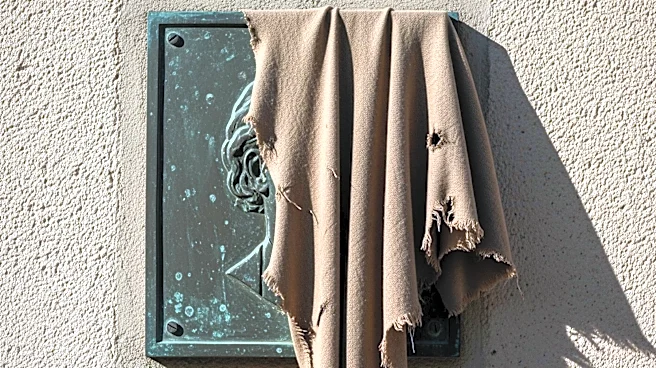
The Trump administration has initiated the removal or review of numerous plaques and interpretive panels at U.S. National Park Service sites, focusing on those referencing slavery, racial inequality, and other
sensitive themes. This action follows a 2025 executive order aimed at eliminating materials perceived to portray the United States negatively. Recent removals include quotes at Boston's Bunker Hill Monument and panels at the President's House in Philadelphia detailing the lives of enslaved individuals. The administration argues these changes aim to present a more balanced historical narrative, while critics claim they risk erasing important historical context.
Why It's Important?
The removal of these historical markers has sparked significant debate over how American history is presented and remembered. Critics, including historians and lawmakers, argue that such actions could sanitize the historical record, depriving the public of a comprehensive understanding of the nation's past. This controversy highlights ongoing tensions in how history is interpreted and taught, reflecting broader societal debates over race, memory, and national identity. The administration's actions may influence public policy and educational approaches to history, potentially affecting how future generations understand America's complex past.
What's Next?
Legal challenges and political pushback are likely to continue as advocacy groups and lawmakers seek to preserve historical narratives that include difficult aspects of American history. The outcome of ongoing litigation could set precedents for how historical interpretation is managed at federal sites. Additionally, public discourse around these issues may influence future policy decisions and educational standards, potentially leading to new guidelines for historical representation in public spaces.