

What's Happening?
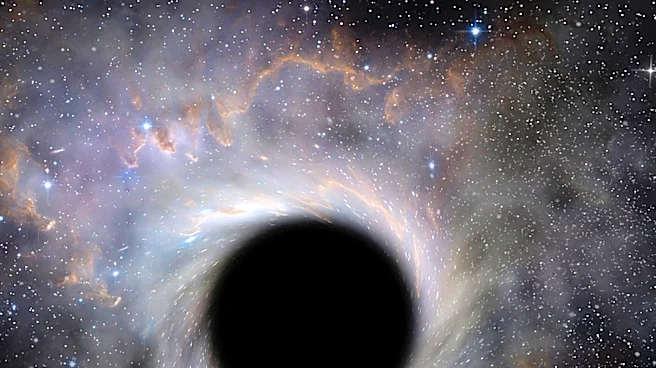
In a groundbreaking study, researchers have identified a potential mechanism for the phenomenon of runaway supermassive black holes. This discovery was prompted by an observation made in 2023, when a thin, line-like shape was detected in an image captured
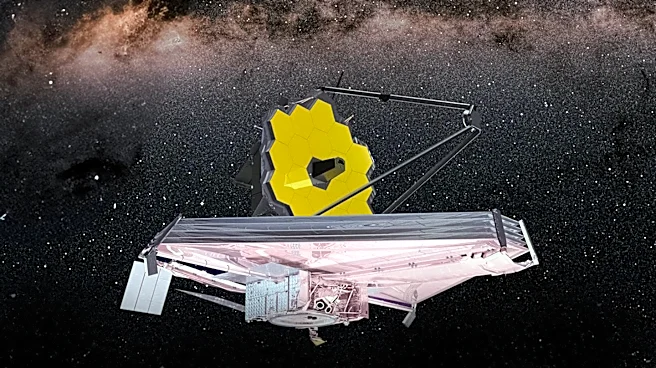
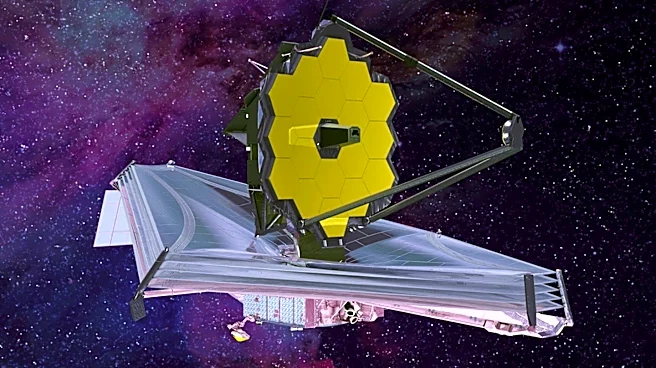
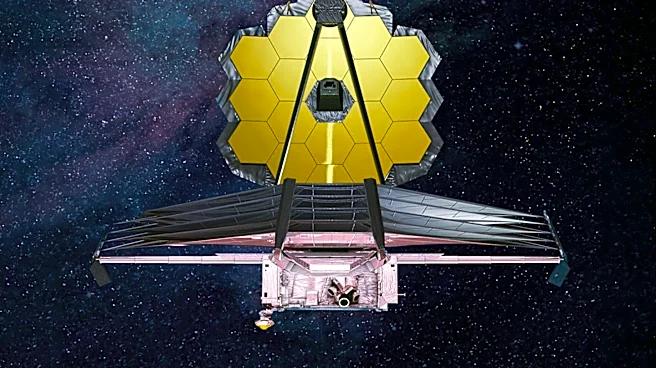
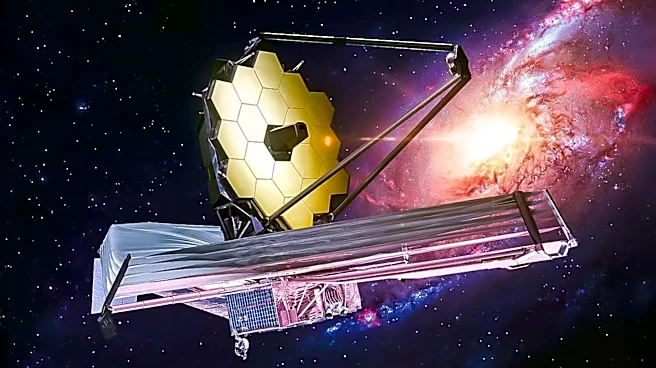
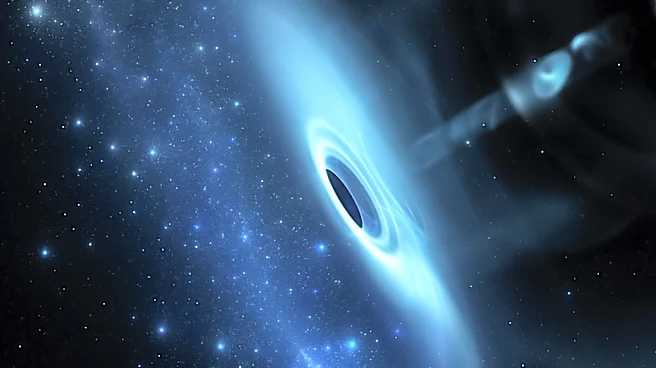
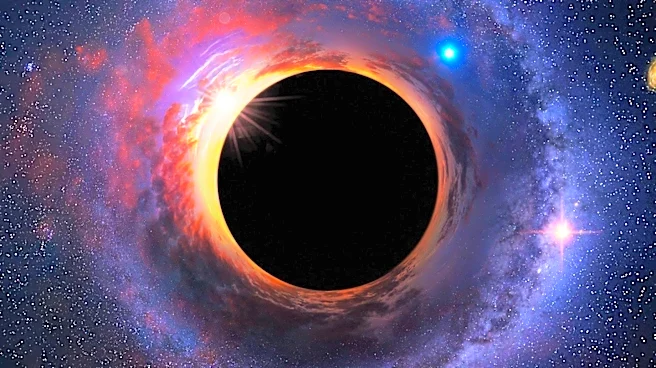
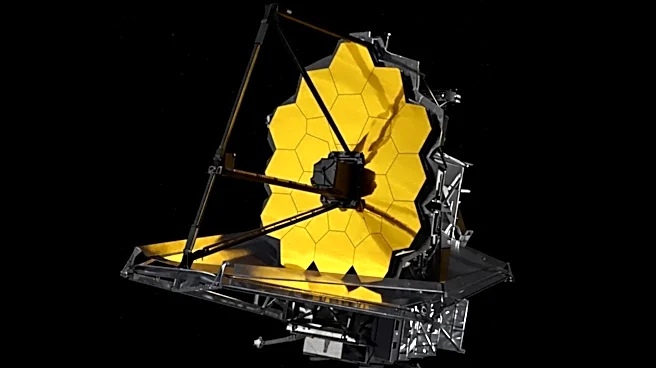
by the Hubble Space Telescope, approximately 7.5 billion light years from Earth. Further analysis, including data from the James Webb Space Telescope, led Pieter van Dokkum and his team at Yale University to propose that this line was the result of a supermassive black hole being ejected from its galaxy at supersonic speeds, leaving a trail of young stars. The new study, led by Tousif Islam at the University of California, Santa Barbara, and his colleagues, suggests that such an event could occur when two supermassive black holes collide, with one being significantly more massive and spinning rapidly. This collision could result in a recoil effect, propelling the newly formed black hole out of its galaxy.
Why It's Important?
The identification of a mechanism for runaway supermassive black holes has significant implications for our understanding of galaxy formation and evolution. If such events are possible, they could influence the distribution of mass and energy in the universe, potentially affecting the dynamics of galaxies. The study also highlights the importance of advanced telescopes and simulations in uncovering cosmic phenomena. While the likelihood of such events is considered low, occurring in less than 10% of black hole mergers, their potential impact on cosmic structures makes them a critical area of study. This research could also pave the way for future observations and experiments aimed at detecting gravitational waves from such events, providing further insights into the nature of black holes and their interactions.
What's Next?
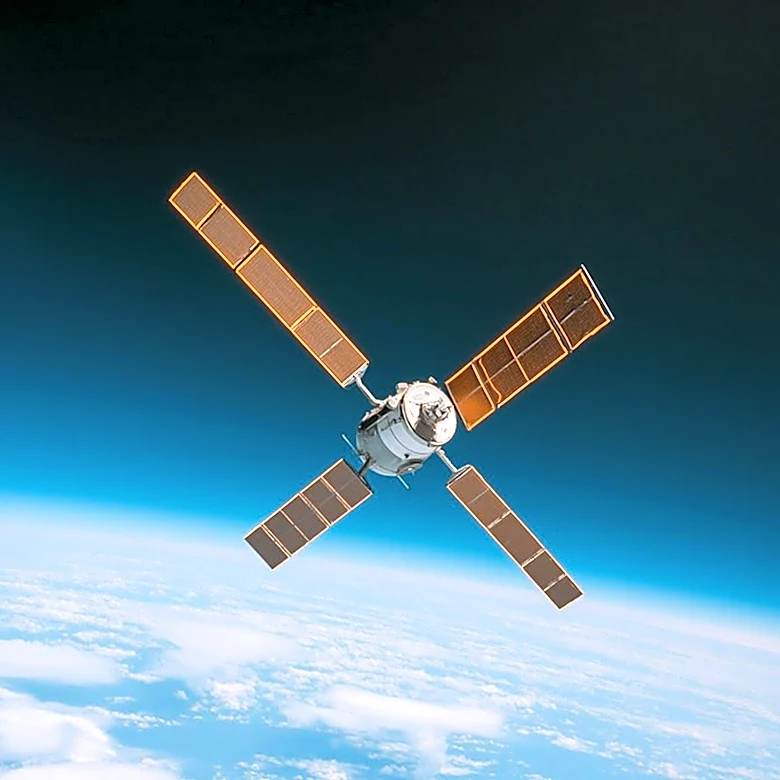
Future observations and technological advancements are expected to play a crucial role in confirming the existence and behavior of runaway supermassive black holes. The James Webb Space Telescope has the capability to further image the region where the original observation was made, potentially resolving the debate over the nature of the observed line. Additionally, the Laser Interferometer Space Antenna (LISA) and other instruments could detect gravitational waves produced by the merger of the parent black holes, offering direct evidence of such events. These developments could significantly enhance our understanding of black hole dynamics and their role in the universe.