



What's Happening?
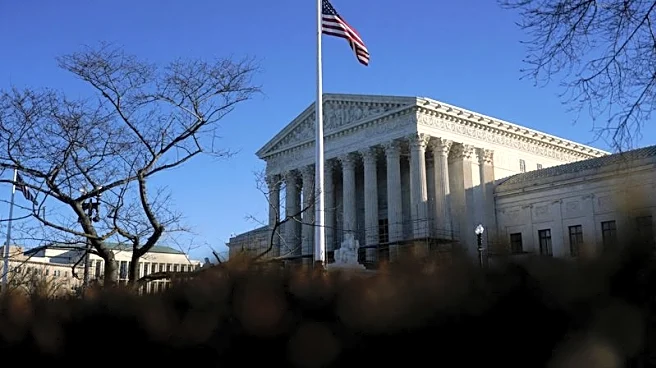
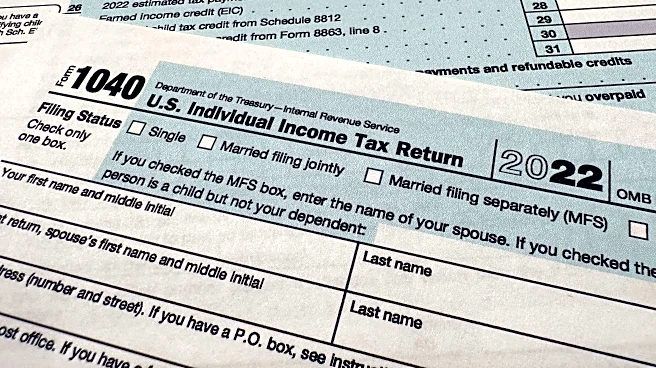
The school choice movement in the United States is experiencing significant growth, driven by new policies such as the Trump administration's tax-credit scholarship program. This movement is facing opposition from teachers' unions, which are employing
legal strategies to counteract the expansion of school choice. Despite these challenges, the movement is gaining traction even in traditionally Democratic states like California, New York, and Illinois, where debates are ongoing about providing parents with more educational options.
Why It's Important?
The expansion of school choice represents a major shift in the U.S. education system, potentially altering the landscape of public education. It challenges the traditional power of teachers' unions and could lead to increased competition among schools, potentially improving educational outcomes. However, it also raises concerns about the impact on public school funding and the equitable distribution of educational resources. The outcome of this movement could significantly influence educational policy and the future of public education in the U.S.
What's Next?
As the school choice movement continues to grow, legal battles are likely to intensify, with unions seeking to challenge new policies in court. The political implications are significant, as school choice could become a key issue in upcoming elections, influencing voter behavior and party platforms. The movement's success will depend on its ability to demonstrate improved educational outcomes and address concerns about equity and access.