





What's Happening?
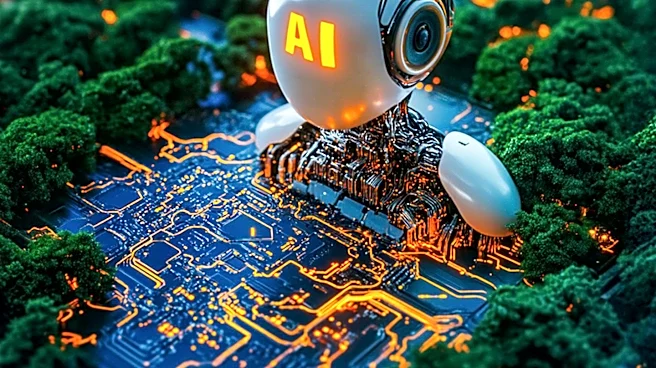
European hydropower facilities are increasingly adopting AI and digital technologies to modernize their operations, improve flexibility, and ensure environmental sustainability. A three-year EU-funded research project, 'Di-Hydro,' led by Alkiviadis Tromaras
of the Centre for Research and Technology Hellas (CERTH), developed AI and digital tools to help plants make better operating decisions while considering environmental constraints. These tools, including 'digital twins' and advanced sensors, were tested in hydropower facilities across Greece, Italy, and Serbia. The digital twins create virtual models of plants, allowing operators to simulate various scenarios and make informed decisions regarding water levels, weather forecasts, equipment maintenance, and environmental requirements. Sensors monitor water quality parameters like dissolved oxygen, pH, and temperature, as well as machinery conditions such as vibration and temperature, providing early warnings for potential issues. This initiative aims to make Europe's diverse hydropower fleet smarter and more digitized, addressing challenges posed by climate change and varying levels of existing technology.
Why It's Important?
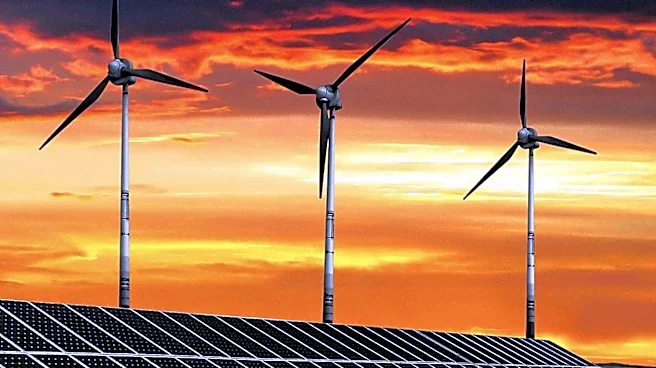
The modernization of European hydropower plants through AI and digital tools is crucial for enhancing the stability and sustainability of the continent's energy grid. Hydropower is a significant component of Europe's renewable electricity mix, accounting for 25.9% of renewable electricity generation in 2025. Its flexibility and storage capabilities are vital for integrating intermittent sources like wind and solar. By making plants 'smarter,' these technologies enable more efficient energy production, especially during peak demand, and better management of water resources in the face of unpredictable climate patterns. The focus on environmental compliance, including monitoring aquatic life and water conditions, ensures that increased energy generation does not come at the expense of ecological health. This approach sets a precedent for how aging infrastructure in the U.S. and other developed nations can be upgraded to meet both energy demands and environmental responsibilities, potentially influencing future investment and policy decisions in renewable energy sectors.
What's Next?
Following the successful testing of these digital tools, researchers are now seeking further opportunities to implement them beyond the initial test sites. The broader objective is to enable hydropower to respond more intelligently to a changing energy system while maintaining ecological balance. This suggests a continued push for the widespread adoption of AI and digital solutions across Europe's hydropower sector. The insights and technologies developed could also be adapted and applied to hydropower facilities in other regions, including North America, which also faces the challenge of modernizing aging fleets. Future developments will likely involve further refinement of these digital tools, integration with broader energy management systems, and policy incentives to encourage their deployment, ultimately contributing to a more resilient and environmentally conscious global energy infrastructure.
Beyond the Headlines
The integration of AI and digital twins in hydropower operations represents a significant shift towards proactive and data-driven resource management. This development highlights the increasing convergence of environmental science, engineering, and artificial intelligence to address complex challenges. Ethically, these tools can help operators balance the often-conflicting demands of energy production and environmental protection, fostering a more responsible approach to natural resource utilization. Legally, the enhanced monitoring capabilities could lead to more stringent environmental regulations and better enforcement, as data provides clearer evidence of compliance or non-compliance. Culturally, it signifies a move away from traditional, reactive operational models to a predictive, technologically advanced paradigm, potentially influencing how other critical infrastructure sectors manage their assets and environmental impact. This trend underscores the growing importance of digital literacy and interdisciplinary collaboration in addressing global sustainability goals.