


What's Happening?
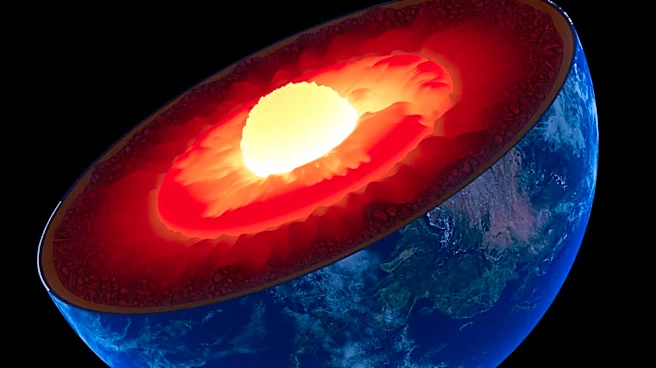
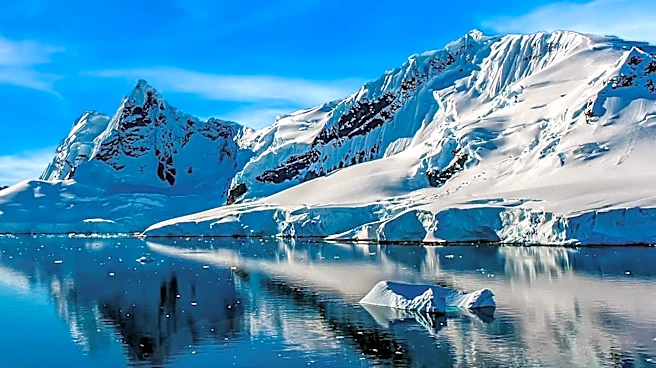
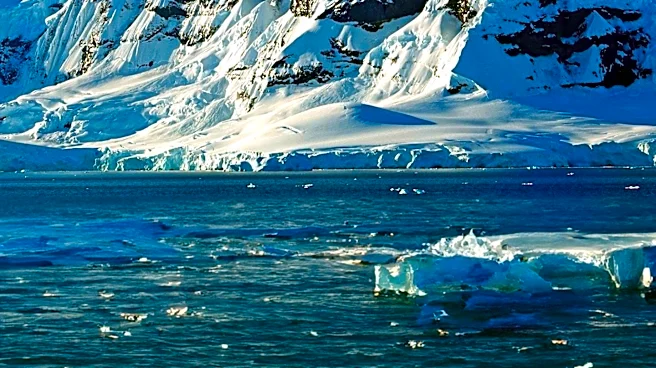
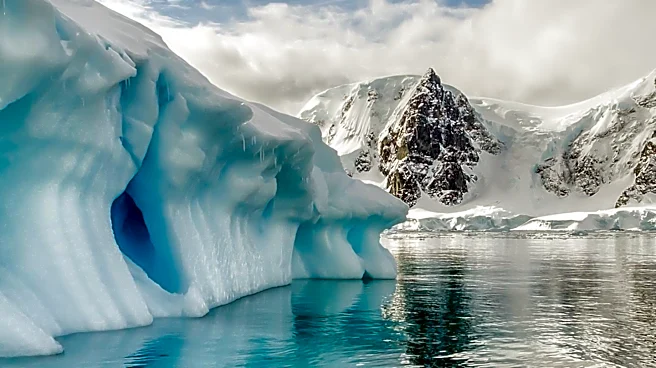
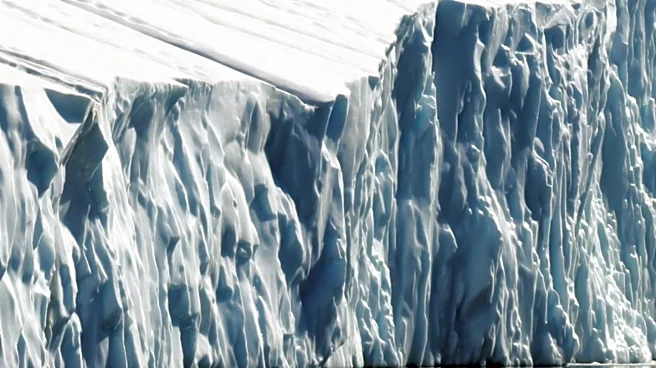
A new study published in Science reveals that the formation of Antarctica's ice caps was influenced by geological changes rather than solely by atmospheric CO2 levels. Researchers from the University of Southampton and other institutions found that tectonic
movements caused the continent to rise, leading to cooler temperatures and the formation of ice caps. This process began around 34 million years ago, with significant elevation changes occurring 45 million years ago. The study provides a comprehensive model of Antarctica's geological history, offering insights into the continent's climatic evolution.
Why It's Important?
Understanding the factors that led to Antarctica's glaciation is crucial for predicting future climate changes. The study challenges previous assumptions about the role of CO2 in ice cap formation, highlighting the importance of geological processes. These findings can inform climate models and improve predictions of how current tectonic and atmospheric changes might affect global ice cover. The research also underscores the complexity of Earth's climate system, emphasizing the need for interdisciplinary approaches to study past and future climate dynamics.