

What's Happening?
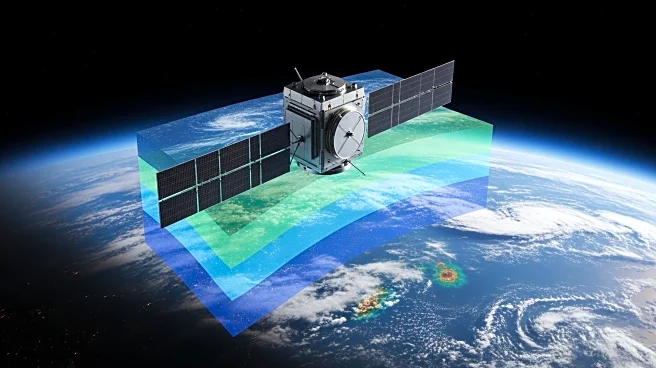
NASA's Biospheric Science Branch is working on a project led by Chris Potter to integrate SMAP (Soil Moisture Active Passive) satellite observations into the CASA (Carnegie-Ames-Stanford) ecosystem model. The goal is to improve the accuracy of global
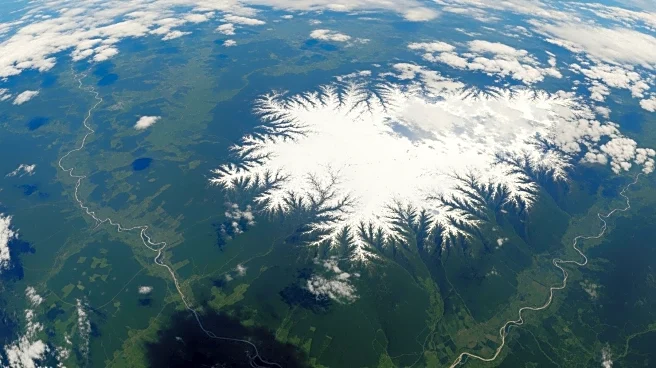
and regional carbon flux estimates and wildfire emissions by using daily soil freeze-thaw state data. This new approach aims to replace the current empirical model, which relies on monthly degree-days, with more precise observations of soil conditions. The project is part of NASA's broader efforts to enhance understanding of carbon cycles and the impacts of climate change.
Why It's Important?
This initiative is significant as it addresses the critical need for accurate data in modeling carbon fluxes and wildfire emissions, which are essential for understanding and mitigating climate change impacts. By improving the precision of these models, NASA can provide more reliable information to policymakers and researchers, aiding in the development of strategies to manage carbon emissions and protect ecosystems. The integration of advanced satellite data into ecological models represents a step forward in environmental science, offering insights that could lead to more effective climate action and resource management.