









What's Happening?
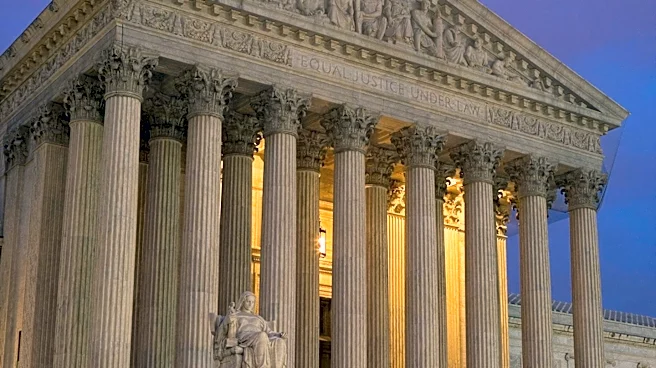
A group of retired judges embarked on a tour through the Rust Belt, visiting states like Ohio and Pennsylvania, to advocate for judicial independence and bolster public trust in the court system. This initiative, marking the nation's 250th anniversary,
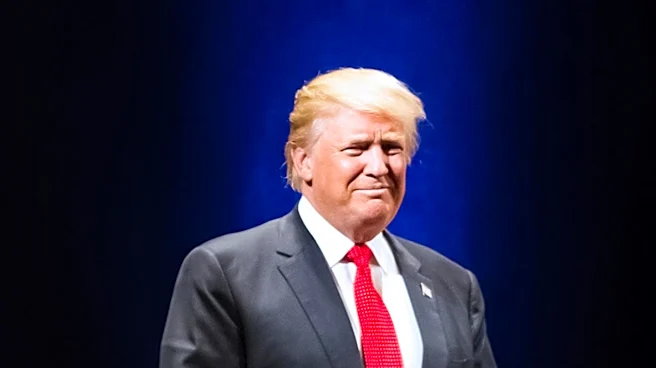
comes in response to growing concerns about the erosion of the rule of law in the United States. The judges, including former Ohio Supreme Court Justice Michael Donnelly, emphasized the importance of maintaining a legal system governed by laws rather than individuals. The tour, named 'Justice in Motion,' was inspired by a similar campaign in Poland and aims to educate the public about the judiciary's role and counter misinformation. The judges' efforts are a reaction to increasing political attacks on the judiciary, including those from President Trump, who has criticized judges and questioned their impartiality.
Why It's Important?
The tour highlights the critical role of the judiciary in upholding democracy and the rule of law, especially in a politically polarized environment. The judges' actions underscore the potential threats to judicial independence posed by political interference and public distrust. By engaging directly with communities, the judges aim to restore confidence in the judicial system, which is essential for its effective functioning. The initiative also addresses the broader issue of misinformation about the judiciary's role, which can undermine public understanding and support for judicial decisions. This effort is particularly significant as it seeks to bridge the gap between the judiciary and the public, fostering a more informed citizenry that can better appreciate the importance of an independent judiciary.
What's Next?
The retired judges plan to continue their advocacy efforts, potentially expanding the tour to other regions to reach a wider audience. They aim to engage more actively with the public and legal communities to reinforce the judiciary's role as a non-partisan arbiter of justice. The initiative may also inspire similar movements in other parts of the country, encouraging judges to speak out against political pressures and defend the integrity of the judicial system. As the tour progresses, it could prompt discussions among policymakers and legal experts about measures to protect judicial independence and address the challenges posed by political polarization.
Beyond the Headlines
The tour raises important questions about the long-term implications of political attacks on the judiciary and the potential for increased politicization of judicial appointments. It also highlights the ethical responsibilities of judges to maintain impartiality and resist external pressures. The initiative could lead to broader debates about judicial reforms and the need for safeguards to ensure the judiciary remains a check on executive and legislative powers. Additionally, the tour's focus on public education may contribute to a cultural shift towards greater civic engagement and awareness of the judiciary's role in democracy.