




What's Happening?
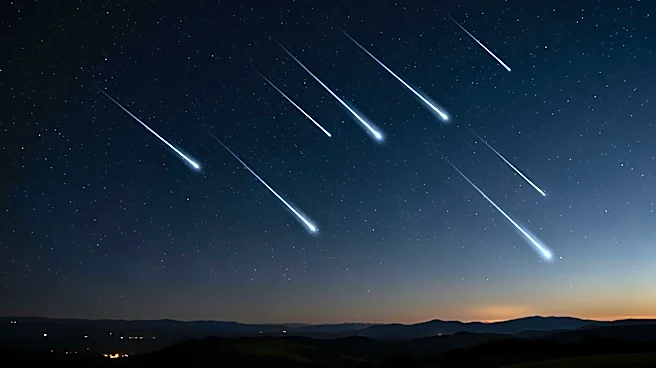
The Bootids meteor shower, known for its unpredictability, is set to peak on the evening of June 26 and the morning of June 27. Historically, the Bootids have been one of the most erratic meteor showers, with past outbursts producing up to 100 meteors
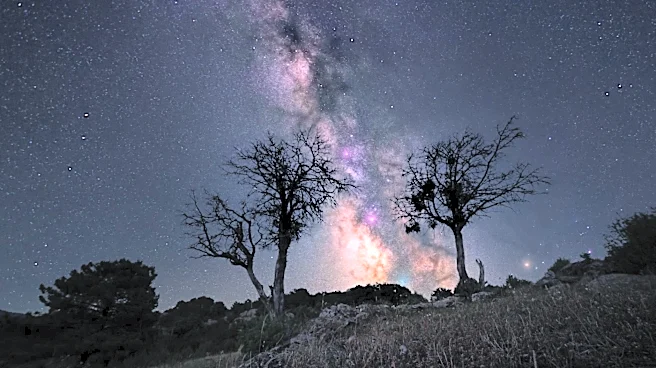
per hour, similar to the more famous Perseids. The shower's parent comet, 7P/Pons-Winnecke, leaves an uneven trail of debris, influenced by Jupiter's gravity, which makes predicting the intensity of the shower challenging. During most years, the Bootids produce only one or two meteors per hour, but the potential for a significant outburst remains. Observers are advised to find a dark location away from city lights for optimal viewing.
Why It's Important?
The Bootids meteor shower's unpredictability highlights the complexities of celestial events and the challenges in forecasting them. This unpredictability can generate significant interest among astronomers and skywatchers, as any year could potentially bring a spectacular display. The event underscores the importance of continued observation and study of meteor showers to improve predictive models. For the public, such events offer an opportunity to engage with astronomy and appreciate the dynamic nature of our solar system.
What's Next?
Skywatchers are encouraged to monitor the Bootids meteor shower during its peak on June 26-27. Given the shower's history of unexpected outbursts, there is a possibility of a significant display. Observers should prepare by finding a location with minimal light pollution and allowing their eyes to adjust to the darkness. The unpredictability of the Bootids may also prompt further scientific study to better understand the factors influencing meteor shower intensity.