




What's Happening?
Michael McCormick, a retired FAA air traffic manager and current air traffic management instructor at Embry-Riddle Aeronautical University, is actively working to ensure that the next generation of air traffic controllers understands and remembers the events
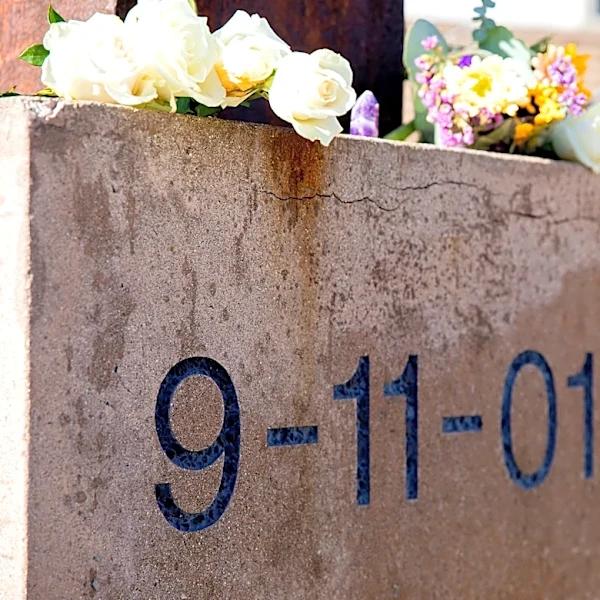
of September 11, 2001. Despite many young adults having no direct recollection of that day, McCormick stresses the importance of the mantra, 'never forget, always remember, and never again.' He recounts his personal experience on 9/11, where he was responsible for tens of thousands of square miles of airspace in the Northeast and was among the first to realize the coordinated nature of the attacks. His quick decision to declare 'ATC Zero' effectively grounded all aircraft in his airspace, a critical action in response to the unprecedented use of aircraft as weapons. This educational focus aims to instill a deep understanding of aviation security and emergency response protocols in future air traffic controllers.
Why It's Important?
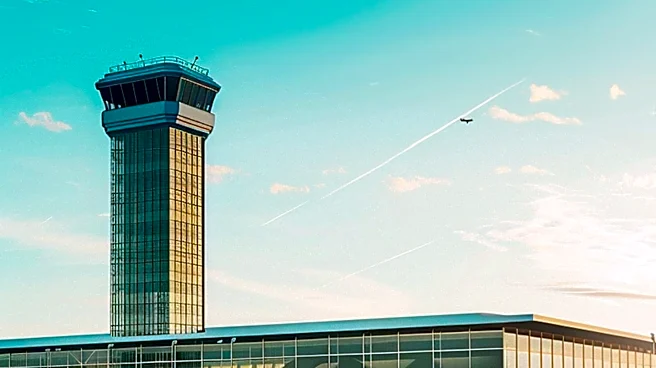
The emphasis on 9/11 in air traffic control training is crucial for national security and aviation safety. By integrating historical lessons into current curricula, the FAA and educational institutions like Embry-Riddle Aeronautical University are building a resilient and prepared workforce. This proactive approach ensures that future controllers are not only technically proficient but also possess a profound awareness of the potential threats and the critical role they play in safeguarding the nation's airspace. The training highlights the need for rapid decision-making, effective communication, and adaptability in crisis situations, drawing directly from the experiences of those who managed the skies during one of the most challenging periods in U.S. aviation history. This continuous education helps to mitigate future risks and reinforces the commitment to preventing similar catastrophic events.
What's Next?
The ongoing integration of 9/11 lessons into air traffic management training programs is expected to continue, with a focus on evolving security threats and technological advancements. Educational institutions will likely refine their curricula to include case studies, simulations, and discussions that reflect the complexities of modern aviation security. Furthermore, collaboration between the FAA, academic institutions, and other security agencies will remain vital to ensure that training methodologies are current and comprehensive. This continuous adaptation will prepare air traffic controllers for a dynamic threat landscape, ensuring they are equipped with the knowledge and skills to respond effectively to any future challenges. The goal is to maintain a high level of vigilance and preparedness across the entire aviation sector.
Beyond the Headlines
The enduring legacy of 9/11 in air traffic control training extends beyond operational procedures; it fosters a culture of vigilance, responsibility, and patriotism within the aviation community. The personal accounts of individuals like Michael McCormick and Chris Rocheleau underscore the human element of crisis management and the psychological impact of such events. By sharing these experiences, trainers impart not just technical knowledge but also the emotional and ethical dimensions of their profession. This approach helps to cultivate a deep sense of duty and commitment among new recruits, ensuring that they understand the gravity of their role in protecting public safety. The lessons of 9/11 serve as a constant reminder that aviation is not merely a mode of transport but a critical component of national security, requiring unwavering dedication and preparedness.