







What's Happening?
Malachi Israel LeBlanc, a young boy, died on August 9 due to complications from a near-drowning incident that occurred four days earlier. The incident took place on August 5, just before 7:30 p.m., at a residential community pool located near Turquoise
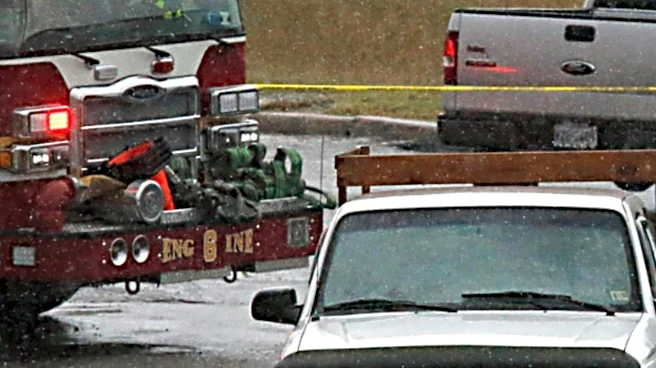
Sky and Wilderness Oak in San Antonio. According to the Bexar County Sheriff's Office, Malachi was found unresponsive in the water and was pulled from the pool. Deputies initiated life-saving efforts until emergency medical services (EMS) arrived. He was subsequently transported to a hospital in critical condition, where he remained for four days before his death. The Bexar County Medical Examiner's Office has officially ruled his death an accident.
Why It's Important?
This tragic incident underscores the critical importance of constant supervision and safety measures in and around community swimming pools, particularly for young children. Drowning is a leading cause of accidental death among children, and even near-drowning incidents can lead to severe, long-term health complications or fatalities, as seen in this case. The event serves as a somber reminder for parents, guardians, and community pool operators to reinforce vigilance and implement robust safety protocols, including adequate lifeguard presence, clear signage, and accessible emergency equipment. The ruling of the death as an accident highlights the preventable nature of such tragedies and may prompt local authorities and community associations to review and potentially enhance pool safety regulations and public awareness campaigns in San Antonio and similar communities across the U.S. to prevent future occurrences.
What's Next?
Following the official ruling of Malachi Israel LeBlanc's death as an accident by the Bexar County Medical Examiner's Office, the immediate focus will likely shift to supporting the grieving family. While the Bexar County Sheriff's Office has concluded its initial investigation into the incident, there may be calls from the community or advocacy groups for a review of safety protocols at residential community pools in the San Antonio area. This could lead to discussions among homeowners' associations, local government, and public health officials regarding potential enhancements to pool safety guidelines, such as increased supervision requirements, improved emergency response training for staff, or public awareness campaigns on water safety. The incident may also prompt families to re-evaluate their own water safety practices and ensure their children are enrolled in swimming lessons.
Beyond the Headlines
The death of Malachi Israel LeBlanc extends beyond a singular tragic event, touching upon broader societal issues concerning child safety and community responsibility. It highlights the often-overlooked dangers associated with recreational water activities, even in seemingly safe environments like residential community pools. This incident could spark a wider conversation about the legal and ethical responsibilities of property owners and community organizations in maintaining safe recreational facilities. Furthermore, it may bring attention to the psychological and emotional toll such incidents have on first responders, including deputies and EMS personnel, who performed life-saving efforts. The long-term implications could include increased scrutiny on insurance liabilities for community pools and a push for more stringent national standards for water safety education and facility management, aiming to prevent similar heartbreaking losses in the future.