

What's Happening?
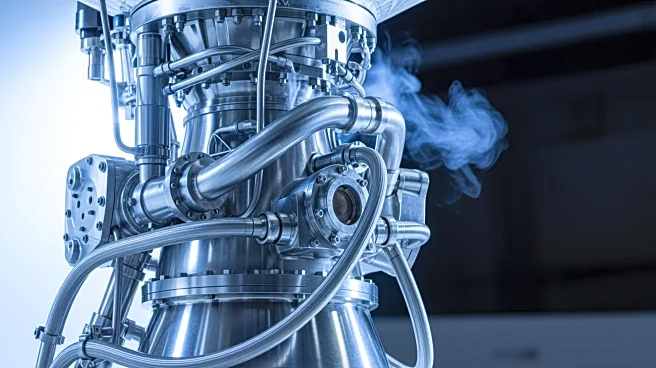
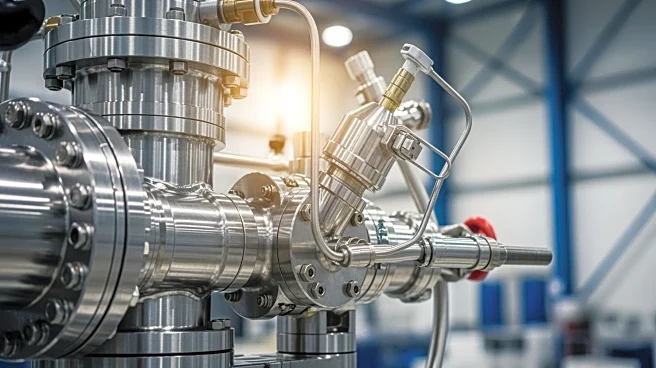
NASA has successfully repaired a helium flow issue in the upper stage of the Artemis II Space Launch System (SLS) rocket. The problem was identified during a wet dress rehearsal on February 21, when a seal in the quick disconnect was found to be obstructing
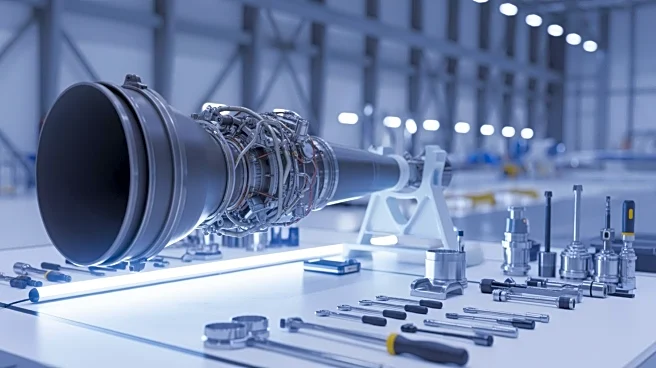
helium flow. Technicians at NASA's Kennedy Space Center have reassembled the system and validated the repairs. The Artemis II mission, which aims to send four astronauts around the Moon, is now on track for a potential launch in April.
Why It's Important?
The resolution of the helium flow issue is a critical step in ensuring the readiness of the Artemis II mission, which is a key component of NASA's efforts to return humans to the Moon. Successful troubleshooting and repair of such technical challenges demonstrate NASA's capability to address complex engineering problems, ensuring the safety and success of future missions. The Artemis II mission will provide valuable data and experience for subsequent lunar exploration efforts, contributing to the long-term goal of establishing a sustainable human presence on the Moon.
What's Next?
With the helium flow issue resolved, NASA will continue preparations for the Artemis II launch, including activating new flight termination system batteries and replacing flight batteries on various rocket components. The rocket is expected to roll out to the launch pad later this month, with a potential launch window in April. The mission will serve as a critical test flight, paving the way for future crewed lunar landings under the Artemis program.