







What's Happening?
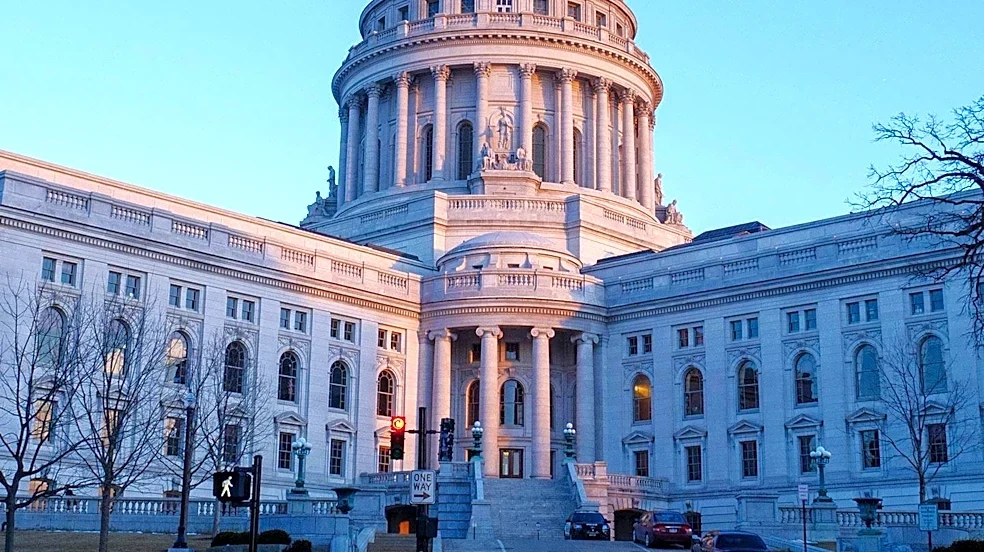
Several U.S. lawmakers from Wisconsin, including U.S. Rep. Mark Pocan, U.S. Sens. Tammy Baldwin, and Ron Johnson, have reported receiving suspicious letters containing unknown substances. U.S. Rep. Gwen Moore's Milwaukee office also experienced a hazmat
response due to a similar mailing. These incidents are believed to be connected to a broader series of suspicious letters sent to politicians and election officials nationwide. The FBI and U.S. Postal Inspection Service are actively investigating these mailings. While initial responses have been initiated, no hazardous materials have been confirmed in any of the Wisconsin offices to date. The investigations aim to identify the individuals responsible for sending these letters and to determine the nature of the substances involved.
Why It's Important?
The receipt of suspicious letters by U.S. lawmakers and election officials carries significant implications for public safety and the integrity of democratic processes. Such incidents can cause widespread alarm, disrupt official operations, and potentially deter individuals from engaging in public service or civic duties. The involvement of federal agencies like the FBI and U.S. Postal Inspection Service underscores the seriousness with which these threats are perceived, highlighting concerns about domestic security and potential acts of intimidation. If the substances are found to be hazardous, it would escalate the situation to a public health crisis, requiring extensive decontamination and medical responses. Even if non-hazardous, the intent behind these mailings is to create fear and disruption, which can undermine public trust in government institutions and the safety of public servants.
What's Next?
The FBI and U.S. Postal Inspection Service will continue their investigations to identify the senders of these suspicious letters and determine the nature of the substances. This will likely involve forensic analysis of the mailings and coordination with local law enforcement agencies. Security protocols for mail handling in congressional and election offices may be reviewed and enhanced to prevent future occurrences. Public statements from federal authorities are expected as more information becomes available regarding the substances and the perpetrators. Lawmakers and their staff will likely remain vigilant, and the incidents could prompt broader discussions about the safety of public officials and the measures needed to protect them from such threats.
Beyond the Headlines
Beyond the immediate concern for safety, these incidents highlight a growing trend of using mail as a vector for intimidation and disruption against public officials. This tactic can have a chilling effect on political discourse and civic engagement, potentially discouraging individuals from participating in the democratic process or expressing dissenting opinions. The psychological impact on staff and officials who receive such threats can be substantial, leading to increased stress and anxiety. Furthermore, these events underscore the challenges faced by law enforcement in tracking and prosecuting individuals who use anonymous or deceptive means to spread fear. The broader societal implication is a potential erosion of civility and an increase in politically motivated harassment, which could have long-term consequences for the health of democratic institutions.