


What's Happening?
The Philippine Atmospheric, Geophysical and Astronomical Services Administration (PAGASA) officially announced the termination of the southwest monsoon, known locally as Habagat, on Monday. This declaration signifies the end of the rainy season for the western
parts of Luzon and Visayas. The decision follows a noticeable shift in weather patterns over recent days, characterized by the strengthening of a high-pressure system over East Asia, the southward movement of the Intertropical Convergence Zone (ITCZ), and a significant reduction in the winds and rainfall typically associated with the southwest monsoon. PAGASA Administrator Nathaniel T. Servando confirmed that these atmospheric conditions are expected to continue, leading to the official conclusion of the Habagat season. The agency will maintain its monitoring of the country's weather and climate.
Why It's Important?
The termination of the southwest monsoon is a crucial meteorological event for the Philippines, particularly for the agricultural and maritime sectors in the western regions of Luzon and Visayas. The end of the rainy season impacts farming schedules, water resource management, and disaster preparedness efforts. For residents, it signals a transition to drier weather, which can affect daily activities and public health, such as reducing the risk of flooding and waterborne diseases. Economically, industries reliant on weather conditions, like tourism and construction, may experience changes in operational planning. The shift also influences energy demand, as cooler, wetter conditions give way to warmer, drier periods. Understanding this transition is vital for both government agencies and the public to adapt to the changing climate and its associated challenges.
What's Next?
With the official end of the southwest monsoon, PAGASA anticipates the persistence of the observed weather patterns, indicating a drier period for the western sections of Luzon and Visayas. The agency will continue to monitor the country's weather and climatic conditions, providing updates as necessary. The public and relevant agencies are advised to stay informed about these developments. This transition typically leads to the onset of the northeast monsoon (Amihan) in the coming months, which brings cooler temperatures and different rainfall patterns to other parts of the Philippines. Preparations for the dry season, including water conservation measures and fire prevention, will likely become a focus for local authorities and communities in the affected regions.
Beyond the Headlines
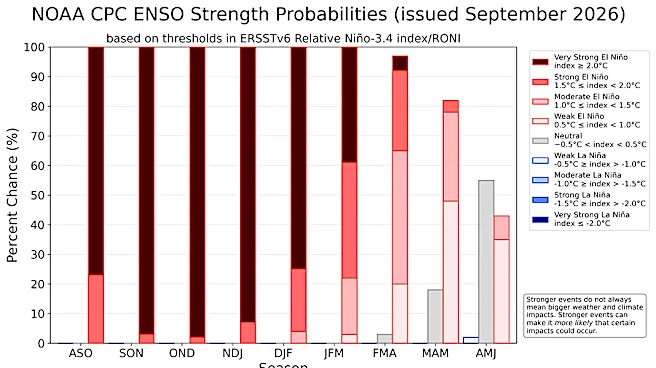
The declaration of the monsoon's end highlights the broader implications of climate variability and change on regional weather patterns. While this marks a seasonal transition, the timing and characteristics of monsoon seasons can be influenced by global climate phenomena, such as El Niño or La Niña, which can lead to more intense or prolonged dry spells or rainy periods. The consistent monitoring by PAGASA is essential for long-term climate studies and for developing adaptive strategies to mitigate the impacts of extreme weather events. The shift from a dominant southwest flow to other atmospheric influences underscores the complex interplay of global and regional meteorological factors that shape the Philippines' climate, affecting everything from biodiversity to urban planning and infrastructure development.