
What's Happening?
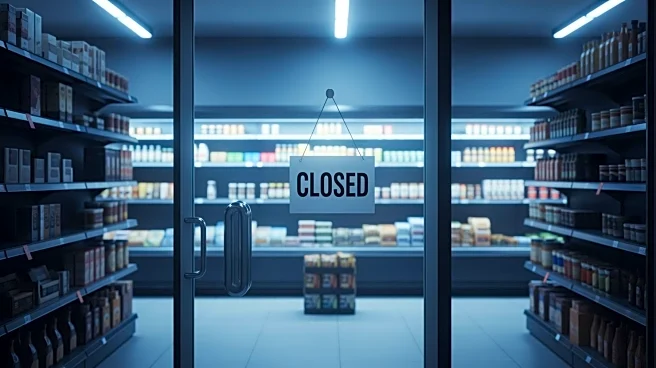
On Christmas Day 2025, Rhode Island enforces strict retail closure laws, impacting grocery shopping across the state. Most large grocery stores and major retailers are closed due to state regulations that
prohibit opening on holidays without a local license. Exceptions are limited to specific categories such as pharmacies, small food stores with fewer than six employees per shift, florists, video rental retailers, and bakeries. This legal framework results in major supermarkets and big-box grocers being closed, leaving residents with few options for last-minute shopping. On Christmas Eve, many stores closed early, leading to crowded shopping conditions as residents rushed to complete their holiday purchases.
Why It's Important?
The closure of major grocery stores on Christmas Day in Rhode Island highlights the impact of state-specific retail laws on consumer behavior and business operations. These regulations ensure that employees have the day off, but they also create challenges for residents who may need essential items. The situation underscores the importance of planning ahead for holiday shopping and the reliance on smaller stores and pharmacies for last-minute needs. This approach reflects a balance between consumer convenience and employee rights, influencing how businesses operate during the holiday season.
What's Next?
Residents are advised to plan their shopping around these closures, with most major retailers reopening on December 26. This pattern of closures and early openings on Christmas Eve is expected to continue, reinforcing the need for consumers to adjust their shopping habits accordingly. Businesses may continue to advocate for changes in state laws to allow more flexibility in holiday operations, while consumers may push for more convenient shopping options during the holiday season.
Beyond the Headlines
The strict retail closure laws in Rhode Island reflect broader cultural and legal values prioritizing family time and employee rights during holidays. This approach may influence other states to consider similar regulations, potentially leading to a shift in national retail practices. The emphasis on local licensing and exceptions for small businesses also highlights the role of local governance in shaping retail landscapes, which could have long-term implications for business strategies and consumer expectations.