

What's Happening?
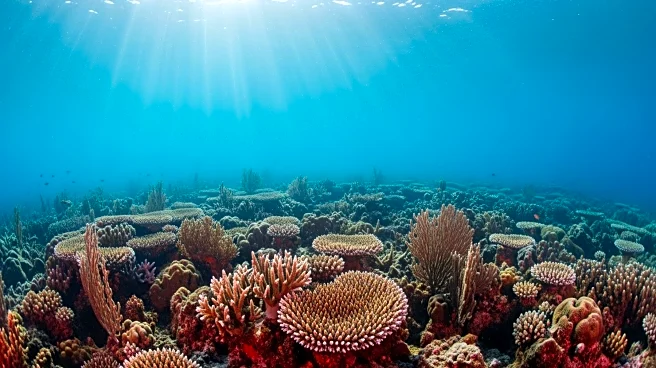
A marine heat wave that occurred in 2003 around Greenland has had lasting effects on the North Atlantic's marine ecosystems. This event marked the beginning of a prolonged period of increased marine heat wave frequency, leading to significant ecological
changes. Research by marine biologists from Germany and Norway indicates that these heat waves have caused shifts in species distribution, with cold-water species declining and warm-water species expanding their range. The changes have affected the entire food web, from microscopic organisms to commercially important fish and whales. The study highlights the role of the subpolar gyre and air-sea heat exchange in these phenomena.
Why It's Important?
The ongoing impact of the 2003 marine heat wave underscores the vulnerability of marine ecosystems to climate change. The shifts in species distribution can disrupt food webs and affect fisheries, which are vital to the economy and food security. The findings emphasize the need for better understanding and forecasting of marine heat waves to mitigate their effects. The study also highlights the broader implications of climate change, as rising ocean temperatures and altered ecosystems can have cascading effects on biodiversity and human livelihoods.
What's Next?
Future research will focus on understanding the mechanisms driving marine heat waves and their interactions with other environmental stressors. This knowledge is crucial for developing strategies to protect marine ecosystems and the communities that depend on them. Policymakers may need to consider adaptive management approaches to address the challenges posed by climate change. International cooperation and investment in climate research will be essential to improve resilience and response to such environmental changes.