




What's Happening?
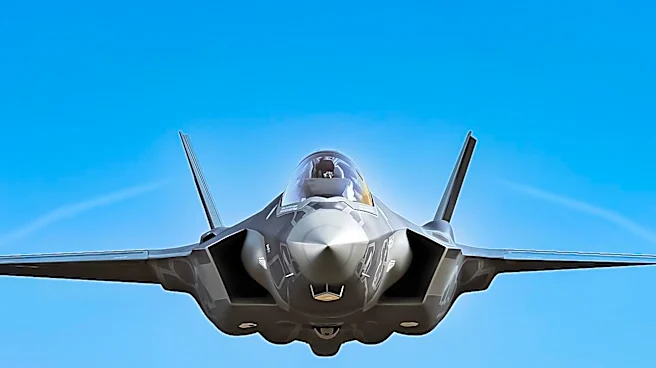
Local leaders in the Twin Ports area are actively supporting the 148th Fighter Wing's bid to upgrade its aircraft to next-generation fighters, specifically the F-35 Lightning II. The 148th Fighter Wing, an Air National Guard base in Duluth, Minnesota,
has been a community and national asset since 1948. Duluth Mayor Roger Reinert emphasized the city's long-standing support for the 148th, its airmen, and their families. The Wing is one of nine units nationwide competing for this upgrade, with only two expected to be selected. Chaz Johnson, representing Pete Stauber, highlighted the significant economic impact and long-term security an investment in next-generation fighters would bring to the 148th and the region. This initiative aims to ensure the Wing's continued readiness and operational capability.
Why It's Important?
The potential upgrade of the 148th Fighter Wing to F-35 Lightning II aircraft carries substantial economic and strategic importance for the Twin Ports region and the broader U.S. national defense. Economically, securing this upgrade would represent a significant federal investment, creating jobs, stimulating local businesses, and ensuring the long-term viability of the base. This would provide stability for military families and contribute to the local tax base. Strategically, equipping the 148th with advanced F-35s would enhance the Air National Guard's capabilities, contributing to national security and air superiority. The competition among nine units underscores the high stakes involved, as the selected bases will play a crucial role in the future of U.S. air defense, potentially influencing regional economic development and military readiness for decades.
What's Next?
The 148th Fighter Wing is currently one of nine units vying for the F-35 Lightning II upgrade, with a decision expected to select only two. Local leaders, including Mayor Roger Reinert and representatives like Chaz Johnson, will likely continue their advocacy efforts to highlight the strategic importance and economic benefits of choosing the Duluth base. The selection process will involve detailed evaluations of each competing unit's infrastructure, operational readiness, and community support. The outcome will determine not only the future of the 148th Fighter Wing but also the allocation of significant federal resources and the long-term economic trajectory of the chosen communities. Stakeholders will be closely monitoring the decision, which will have lasting implications for national defense and regional development.
Beyond the Headlines
The competition for the F-35 Lightning II mission extends beyond immediate economic benefits and military readiness, touching upon the evolving role of Air National Guard units in national defense. As military technology advances, the ability of these units to adapt and integrate cutting-edge aircraft like the F-35 is critical for maintaining a robust and flexible defense posture. This decision also reflects a broader trend of balancing federal defense spending with regional economic development, as communities actively lobby for military installations due to their substantial economic footprints. The outcome will set a precedent for how future military modernization efforts are distributed across the country, influencing local economies and the strategic capabilities of the Air National Guard for years to come. It also highlights the ongoing partnership between local governments and military installations.