







What's Happening?
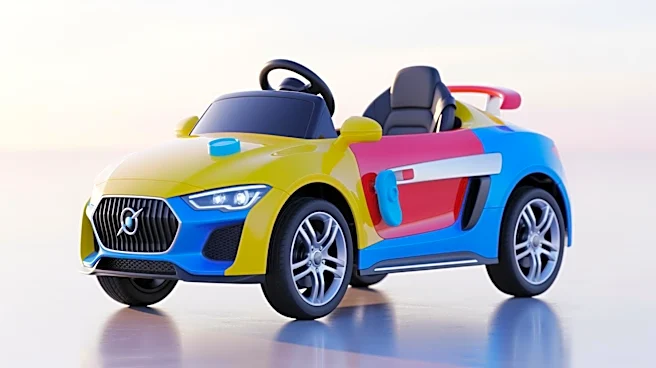
Therapists and volunteers from Northwestern Medicine have collaborated with the Go Baby Go program to create custom ride-on cars for children with mobility challenges. This initiative aims to enhance the mobility and independence of these children by providing
them with specially adapted vehicles. The Go Baby Go program is known for modifying ride-on cars to suit the specific needs of children who have difficulty moving on their own. This effort not only offers a fun and engaging way for children to move around but also serves as a therapeutic tool to improve their physical capabilities. The collaboration highlights the commitment of healthcare professionals and volunteers to support children with disabilities, ensuring they have opportunities to experience mobility and play.
Why It's Important?
The provision of custom ride-on cars for children with mobility challenges is significant as it addresses both physical and psychological needs. Mobility is a crucial aspect of a child's development, and these adapted vehicles can help improve motor skills, coordination, and overall physical health. Additionally, the ability to move independently can boost a child's confidence and social interaction, contributing to their emotional well-being. This initiative reflects a broader commitment to inclusivity and accessibility in healthcare and community support, emphasizing the importance of providing tailored solutions to meet the diverse needs of children with disabilities. By enhancing mobility, these efforts can lead to improved quality of life and greater participation in everyday activities for these children.
What's Next?
The success of this initiative may inspire further collaborations between healthcare providers and community programs to expand the availability of custom mobility solutions for children with disabilities. As awareness grows, there could be increased funding and support for similar projects, potentially leading to innovations in adaptive technology and therapy. Stakeholders, including healthcare professionals, educators, and policymakers, may explore ways to integrate such programs into broader healthcare and educational systems, ensuring that more children can benefit from these advancements. Continued advocacy and research could also drive improvements in the design and functionality of adaptive devices, making them more accessible and effective for children with various mobility challenges.