


What's Happening?
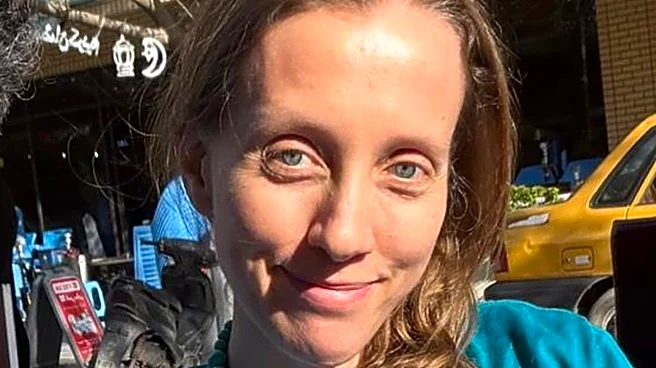
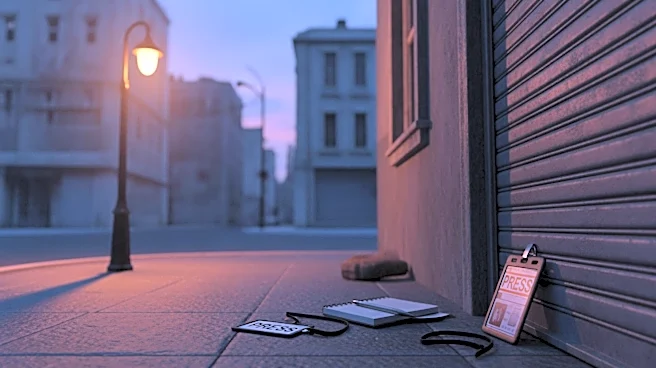
An American journalist, Shelly Renee Kittleson, was kidnapped in Baghdad after being warned of threats against her. Kittleson, a freelance journalist with extensive experience in Iraq and Syria, was abducted from a street in the Iraqi capital. Prior to
her kidnapping, she attempted to enter Iraq from Syria but was initially turned back due to security concerns and lack of a press work permit. She later entered Iraq with a single-entry visa. Iraqi security forces are actively pursuing her captors, having arrested one suspect after a car chase. U.S. officials allege that Kittleson was taken by Kataib Hezbollah, an Iran-linked militia, although the group has not claimed responsibility.
Why It's Important?
The kidnapping of Shelly Kittleson highlights the ongoing risks faced by journalists in conflict zones, particularly in regions with active militia groups. This incident underscores the volatile security situation in Iraq, where foreign journalists are often targeted. The involvement of Kataib Hezbollah, if confirmed, could strain U.S.-Iraq relations and complicate diplomatic efforts in the region. The situation also raises concerns about the safety protocols and support systems in place for journalists working in high-risk areas.
What's Next?
Iraqi authorities are working to locate and secure Kittleson's release, with ongoing investigations into the kidnapping. The U.S. government is likely to increase pressure on Iraqi officials to ensure her safe return. This incident may prompt discussions on enhancing security measures for journalists and revisiting diplomatic strategies to address militia activities in Iraq.