

What's Happening?
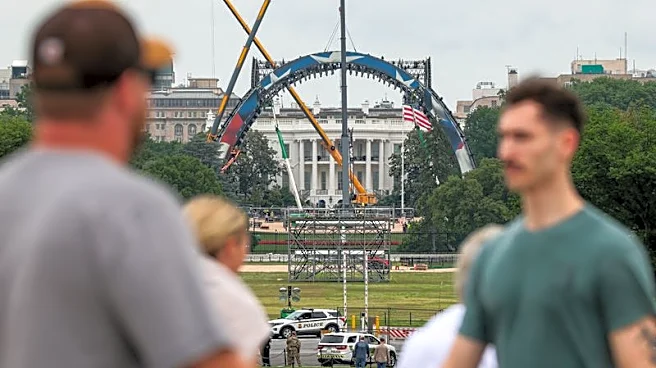
Several artists have withdrawn from a concert event organized as part of the 'Freedom 250' celebrations, marking the United States' 250th birthday. The event, backed by President Trump, is set to take place at the National Mall in Washington, DC, from June
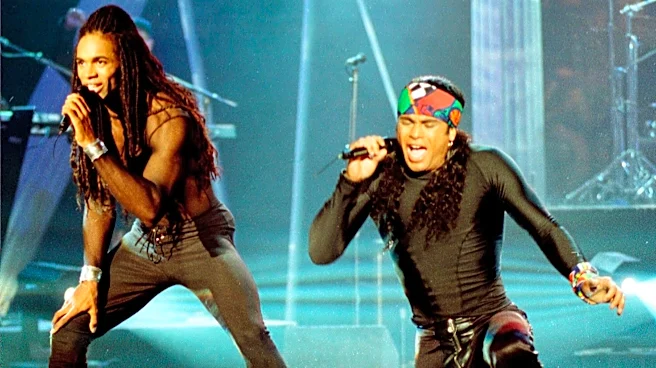
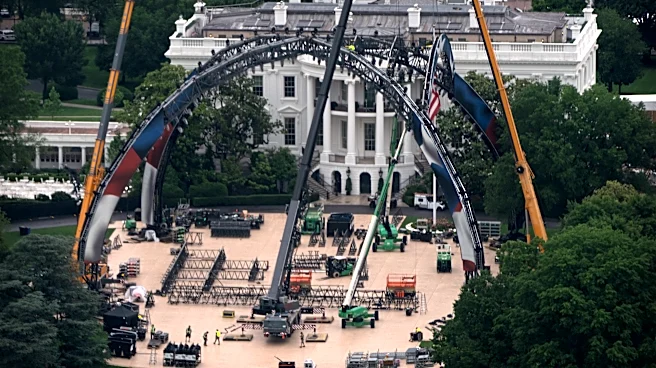
25 to July 10. The musical lineup, featuring acts like Vanilla Ice, Martina McBride, and C+C Music Factory, has been criticized for its nostalgic focus. Notably, Morris Day and Young MC have publicly announced their withdrawal, citing a lack of transparency regarding the event's political affiliations. The concert is part of a larger celebration that includes a controversial UFC event on the White House lawn, which has drawn criticism for its perceived insensitivity amid national economic challenges.
Why It's Important?
The withdrawal of artists from the 'Freedom 250' event highlights growing tensions around the use of public funds for politically aligned events. The concert, funded by a public-private partnership involving Trump-aligned companies, has faced scrutiny from watchdog groups and Congress. Concerns have been raised about the potential misuse of federal dollars and the ethical implications of offering donor access to the president. This controversy underscores the broader debate over the intersection of politics and public celebrations, particularly in a polarized political climate.
What's Next?
The 'Freedom 250' event is likely to continue facing scrutiny as it approaches. Congressional investigations may be initiated to examine the funding and organization of the event. Public Citizen, a consumer advocacy group, has already called for such investigations. The event's organizers may need to address these concerns to avoid further backlash. Additionally, the withdrawal of artists could lead to changes in the lineup or further cancellations, impacting the event's overall success and public perception.
Beyond the Headlines
The controversy surrounding the 'Freedom 250' event reflects broader cultural and political divides in the United States. The use of nostalgic acts and the involvement of politically aligned companies raise questions about the role of cultural events in political discourse. This situation also highlights the challenges of organizing national celebrations in a way that is inclusive and representative of diverse perspectives. The event's reception may influence future decisions on how public celebrations are funded and organized.