



What's Happening?
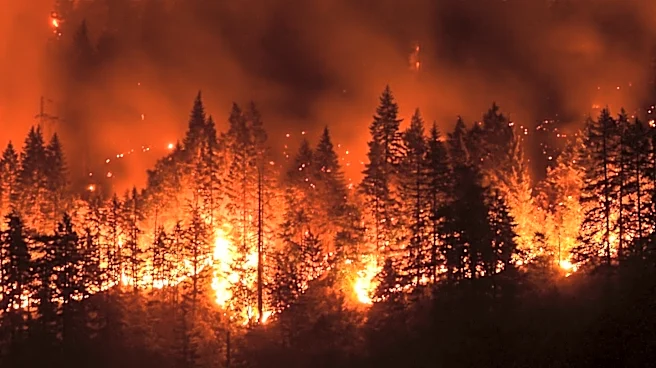
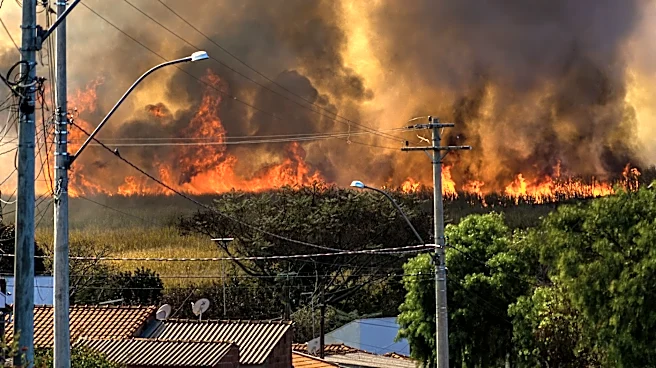
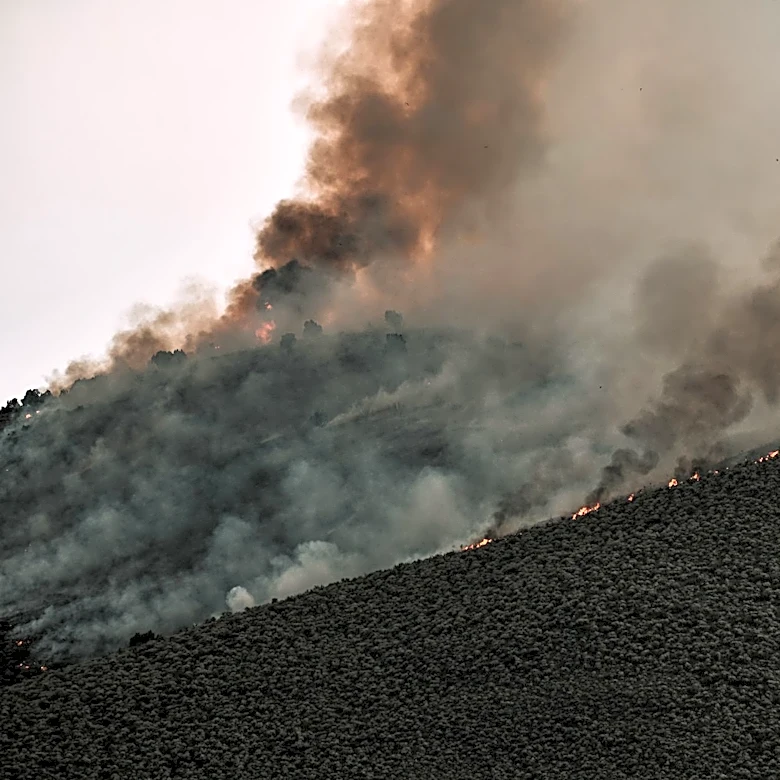
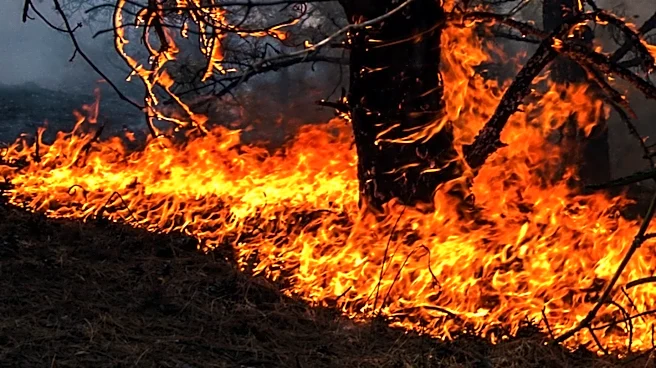
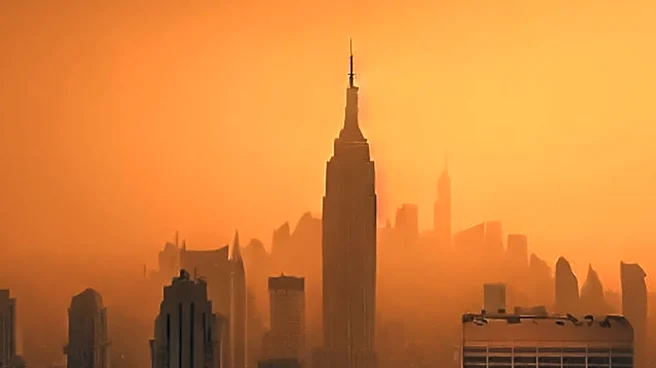
Michigan is experiencing ongoing air quality issues due to wildfire smoke from Canada and Minnesota. The Michigan Department of Environment, Great Lakes, and Energy (EGLE) has issued an Air Quality Alert for elevated levels of fine particulate matter
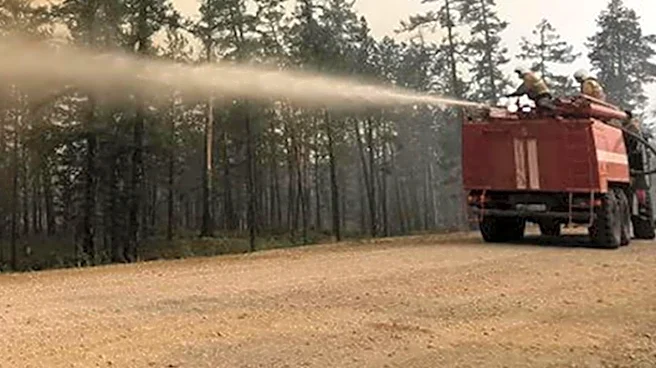
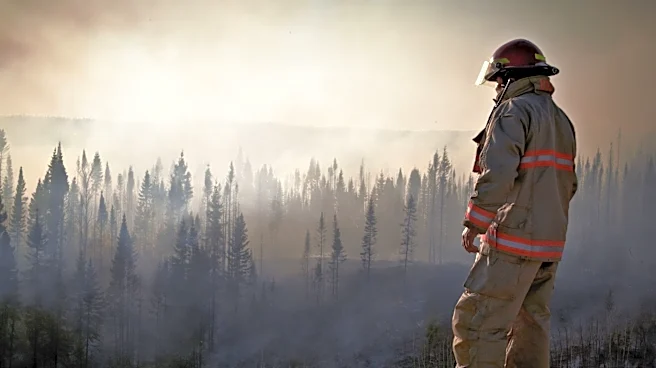
(PM2.5) for July 19 and 20. Despite some improvement, the air quality remains a concern, with areas like Detroit, Grand Rapids, and Marquette experiencing unhealthy air quality levels. The smoke is part of a larger issue, with 940 wildfires burning across Canada, 104 of which are out of control. Residents are advised to stay indoors and take precautions if they must go outside, such as wearing N95 masks and limiting strenuous activities.
Why It's Important?
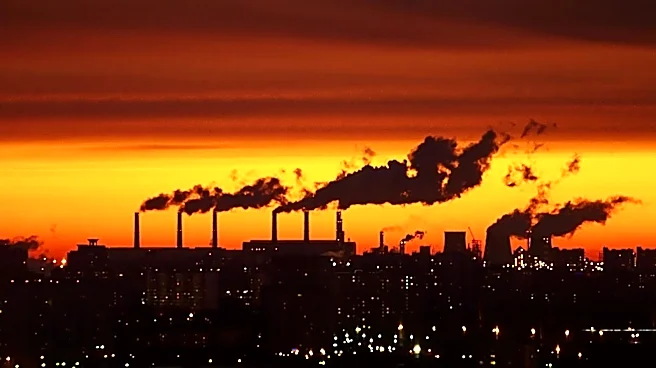
The air quality issues in Michigan highlight the broader environmental and public health challenges posed by wildfires, which are becoming more frequent and severe due to climate change. Poor air quality can have significant health impacts, particularly for vulnerable populations such as children, the elderly, and those with pre-existing health conditions. The situation underscores the need for effective cross-border collaboration in managing wildfire risks and mitigating their impacts. It also raises awareness about the importance of air quality monitoring and public health advisories in protecting communities from environmental hazards.
What's Next?
As the wildfire situation in Canada continues, Michigan residents may face ongoing air quality challenges. Authorities will likely continue to monitor the situation closely and issue further advisories as needed. Residents are encouraged to stay informed about air quality levels and follow public health recommendations to minimize exposure to harmful pollutants. The situation may also prompt discussions on long-term strategies to address the root causes of increased wildfire activity and improve air quality management.