





What's Happening?
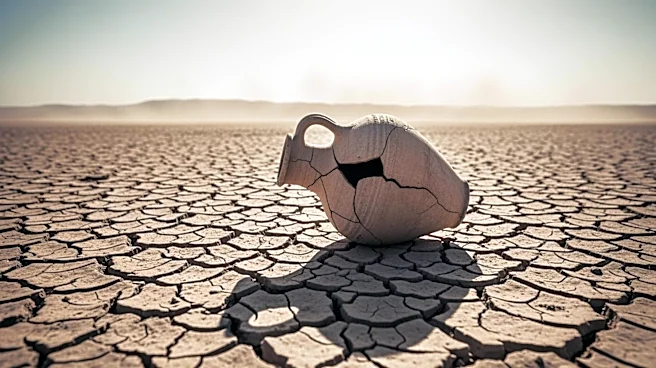
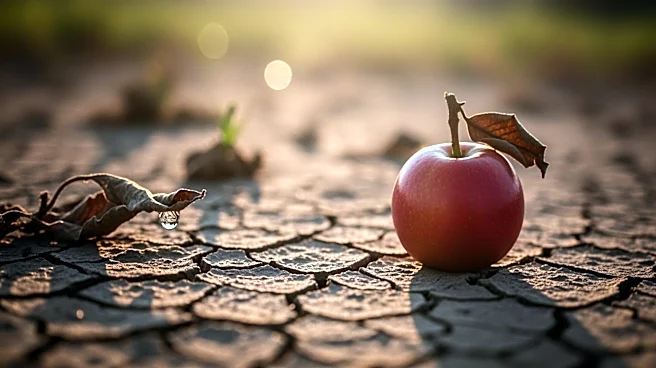
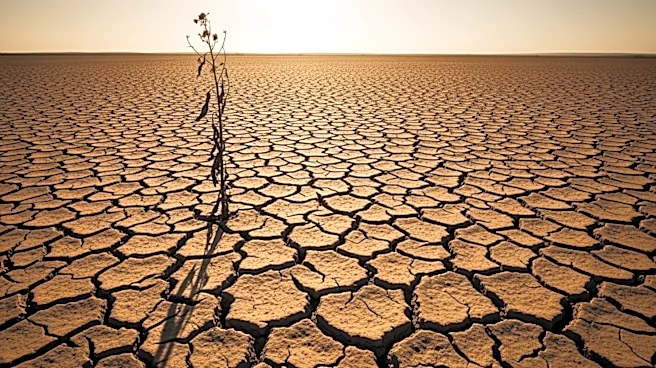
Grocery prices in the U.S. are projected to rise significantly in 2026, with the U.S. Department of Agriculture forecasting a 3.4% increase in overall food prices. Key factors contributing to this rise include extreme weather events, particularly droughts,
which affect agricultural productivity. David Ortega, a food economist, highlights that climate change is exacerbating these conditions, leading to reduced crop yields and increased production costs. Categories most affected include beef, fresh produce, and beverages reliant on global crops. The ongoing drought has already led to reduced cattle herds, impacting beef supply and prices.
Why It's Important?
The increase in grocery prices underscores the broader economic impact of climate change on the food supply chain. As extreme weather events become more frequent, the stability of food prices is increasingly at risk, affecting consumer spending and economic stability. This situation highlights the need for investment in resilient agricultural practices, such as drought-tolerant crops, to mitigate future impacts. The rising cost of essential goods like food can disproportionately affect lower-income households, exacerbating economic inequality.
What's Next?
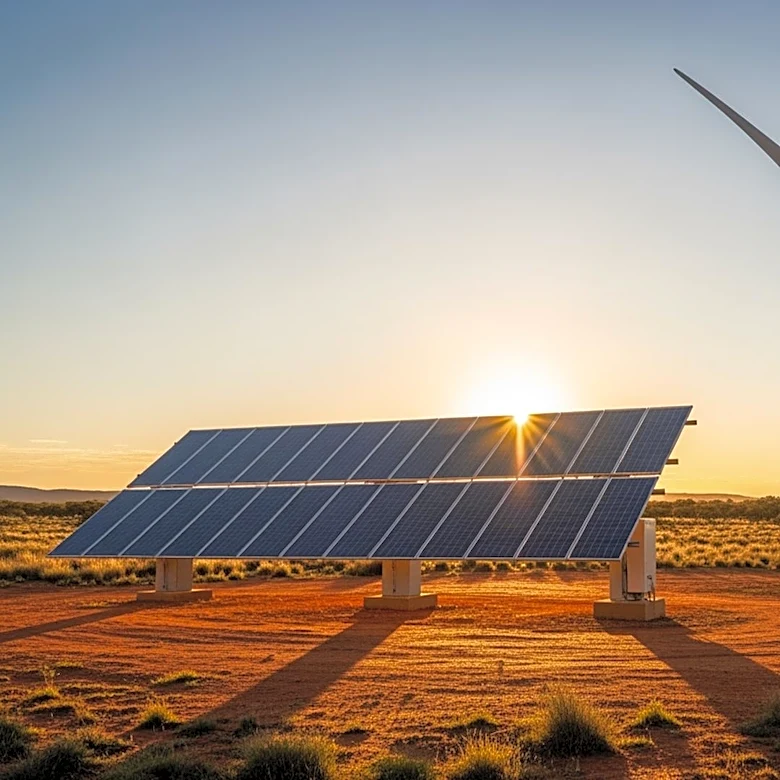
To address these challenges, experts advocate for investments in agricultural resilience, including the development of drought-tolerant crops and improved water management systems. These measures are crucial for stabilizing food prices and ensuring long-term food security. Policymakers may also consider regulatory changes to alleviate cost pressures on consumers. The ongoing dialogue around climate change and its economic implications is likely to influence future agricultural and environmental policies.