









What's Happening?
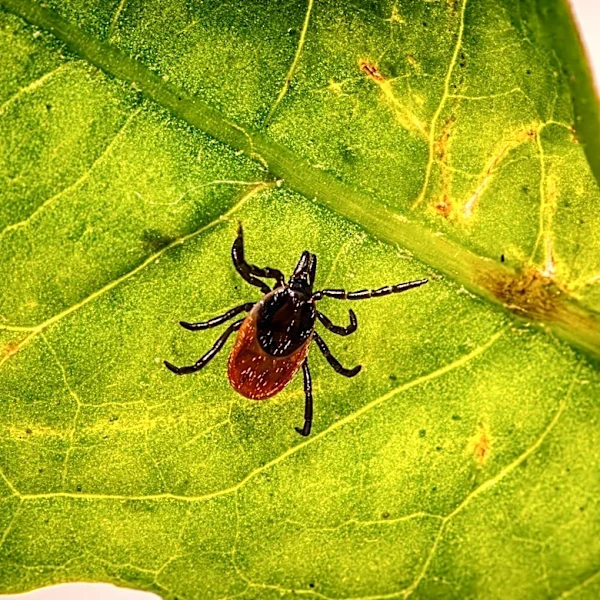
San Diego County has reported its first locally acquired case of Chagas disease, caused by the blood-sucking 'kissing bug,' which is typically found in Latin America. The bug, known as triatomines, transmits the Trypanosoma cruzi parasite, leading to Chagas disease.
The disease progresses in two stages: an acute phase with flu-like symptoms and a chronic phase that can cause severe heart and digestive issues. The disease is treatable during the acute phase with drugs like benznidazole and nifurtimox, but once it becomes chronic, it is incurable, requiring management of symptoms. The spread of the kissing bug to Southern California raises public health concerns.
Why It's Important?
The detection of Chagas disease in California highlights the potential for the spread of tropical diseases to new regions, posing a public health challenge. The disease can lead to severe health complications and is often underdiagnosed due to its asymptomatic nature in the early stages. This situation underscores the need for increased awareness and screening to prevent long-term health impacts. The spread of the kissing bug also raises concerns about the movement of diseases across borders, emphasizing the importance of monitoring and controlling vector populations to protect public health.
What's Next?
Public health officials in California are likely to increase efforts to educate the public and healthcare providers about Chagas disease and its symptoms. Enhanced surveillance and control measures for the kissing bug may be implemented to prevent further spread. Research into effective treatments and preventive measures will be crucial in managing the disease. The situation may also prompt discussions on the impact of climate change and globalization on the spread of vector-borne diseases.