






What's Happening?
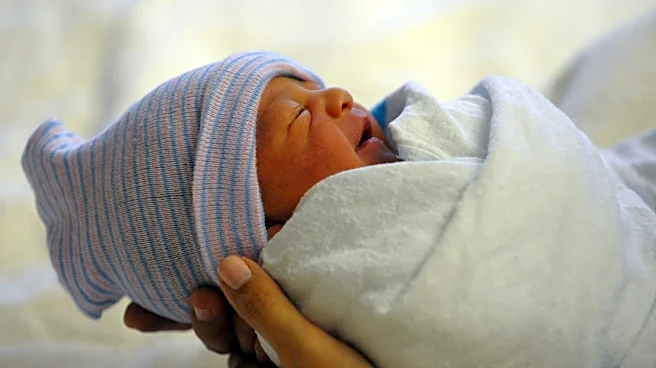
World Prematurity Day, observed annually on November 15, is dedicated to raising global awareness about the significant impact of preterm birth on newborns, their families, and communities. In 2026, the theme, 'Small babies, big potential. Invest in follow-up
care to protect their future!', highlights the critical importance of continued care for babies born prematurely. This theme aligns with the World Health Organization's (WHO) focus on providing comprehensive, high-quality care and support for preterm infants, not only during their stay in special newborn care units and neonatal intensive care units (NICUs) but also crucially after discharge. Despite advancements in neonatal care improving outcomes, ongoing monitoring, timely interventions, and family support are essential for ensuring healthy growth and development for these vulnerable infants.
Why It's Important?
Prematurity remains a leading cause of neonatal death globally, with approximately 15 million babies born preterm each year. In the WHO Eastern Mediterranean Region, complications related to prematurity account for 22% of neonatal deaths, which constitute 57% of all deaths among children under five. Many of these deaths are preventable through access to quality maternal and newborn health services and appropriate care. Investing in follow-up care is vital because many preterm babies continue to face health and developmental risks after leaving healthcare facilities. This continued support ensures that these infants can reach their full potential, reducing long-term health complications and societal burdens. For the U.S., where preterm birth rates also pose significant public health challenges, this global emphasis reinforces the need for robust postnatal support systems, early intervention programs, and comprehensive family education to improve outcomes for preterm infants and their families.
What's Next?
Following World Prematurity Day 2026, there will likely be renewed calls for accelerated investment in quality maternal and newborn health services worldwide, including in the U.S. This will involve strengthening care for small and sick newborns and expanding comprehensive follow-up support after discharge. Healthcare systems are expected to focus on implementing and scaling up essential newborn care interventions, such as continuous skin-to-skin contact, breathing support, breastfeeding, and infection prevention. Advocacy efforts will likely target policymakers to secure funding for specialized follow-up clinics, early intervention therapies, and family support programs. Research into long-term outcomes for preterm infants and effective follow-up strategies will also gain momentum. The global health community will continue to emphasize the importance of ensuring continuity of services, especially in regions affected by conflict, displacement, and humanitarian crises, to reduce preventable newborn deaths.
Beyond the Headlines
The focus on follow-up care for preterm babies extends beyond immediate medical needs, touching upon broader societal and ethical considerations. The long-term health and developmental trajectories of preterm infants can have significant impacts on educational systems, healthcare infrastructure, and economic productivity. Ensuring comprehensive follow-up care is an ethical imperative, reflecting a society's commitment to protecting its most vulnerable members and promoting equitable health outcomes. Culturally, raising awareness about prematurity can reduce stigma and foster greater community support for families navigating the challenges of caring for a preterm child. The economic implications are substantial; early investment in follow-up care can reduce the need for more intensive and costly interventions later in life, ultimately leading to healthier populations and reduced healthcare expenditures. This global initiative underscores the interconnectedness of maternal and child health with sustainable development goals.