








What's Happening?
Alaska Native leaders are advocating for a moratorium on the exploration, leasing, and extraction of seabed mineral resources in Alaska's federal waters and on the Alaska Outer Continental Shelf. This call comes in response to the federal administration's
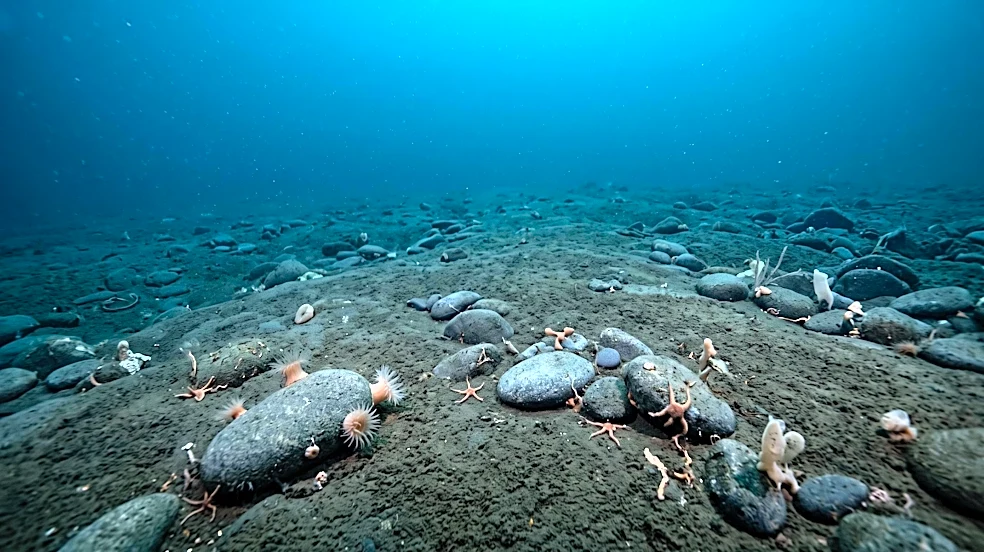
plans to hold offshore lease sales for seabed mining as early as next year, despite commercial mineral extraction never having occurred on U.S. federal seabeds and many proposed mining types being unproven globally. The Bureau of Ocean Energy Management placed over 113 million acres of Alaskan seafloor under consideration for this industry in January 2026, including areas like Norton Sound and the Gulf of Alaska. Concerns are heightened by the fact that over 80% of these areas are already restricted to protect critical seafloor habitats and fisheries. The leaders, including Presidents of Kawerak Inc. and Sealaska, emphasize that the current process is too rapid, the potential impacts too hazardous, and the unknowns too significant. They highlight that no environmental impact statement is required before leasing, and public comment opportunities have been limited.
Why It's Important?
This initiative is crucial for Alaska's environment, economy, and indigenous communities. The proposed seabed mining operations pose significant risks to marine ecosystems, which could take centuries to recover, impacting the state's multi-billion-dollar seafood industry and the livelihoods of tens of thousands of Alaskans. For Alaska Native communities, a healthy ocean is vital for food security, cultural practices, and subsistence fisheries. The lack of comprehensive environmental impact assessments and meaningful consultation with affected Alaska Native Tribes raises concerns about environmental justice and self-determination. If the federal administration proceeds with lease sales without a moratorium, it could set a precedent for prioritizing unproven industrial activities over established environmental protections and indigenous rights, potentially leading to irreversible damage to a critical natural resource and cultural heritage.
What's Next?
The Alaska Native leaders are urging the Department of the Interior to suspend further consideration of seabed mineral lease sales during the proposed moratorium. They seek to ensure that environmental, socioeconomic, subsistence, cultural, and cumulative impacts are thoroughly evaluated and understood, and that affected Alaska Native Tribes are fully and meaningfully consulted before any decisions are made. The outcome will depend on the federal administration's response to these calls for a moratorium and whether they will prioritize comprehensive impact assessments and tribal consultation over the expedited development of an unproven industry. Continued advocacy from environmental groups and indigenous communities is expected to pressure policymakers to reconsider the current trajectory of seabed mining in Alaskan waters.
Beyond the Headlines
The debate over seabed mining in Alaska extends beyond immediate environmental and economic concerns, touching upon fundamental questions of governance, indigenous sovereignty, and the valuation of natural resources. The assertion that 'Alaskans must be the ones to decide' underscores a broader struggle for local control over resource management, particularly in regions with significant indigenous populations. This situation highlights the tension between federal development agendas and the rights of local communities to protect their traditional lands and waters. It also brings to light the ethical implications of pursuing experimental industries with potentially devastating long-term consequences, especially when existing regulatory frameworks are perceived as inadequate or outdated. The push for a moratorium reflects a growing global awareness of the need for precautionary principles in environmental policy and the recognition of indigenous knowledge in sustainable resource management.