




What's Happening?
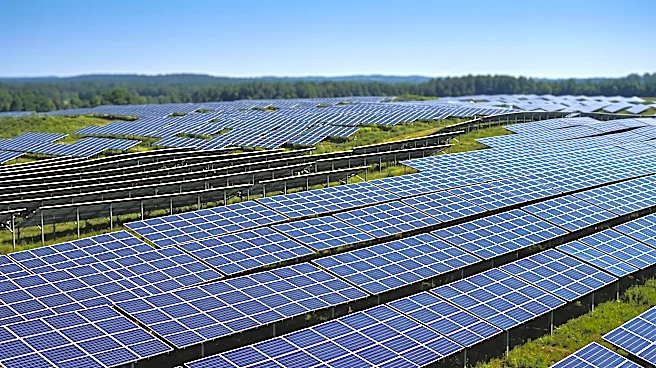
Solar thermal energy, also known as concentrated solar power (CSP), and photovoltaic (PV) technology both harness solar radiation to produce electricity, but they operate on fundamentally different principles. Photovoltaics directly convert sunlight into
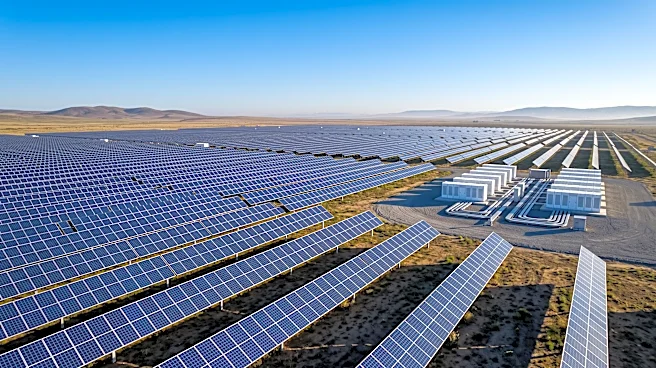
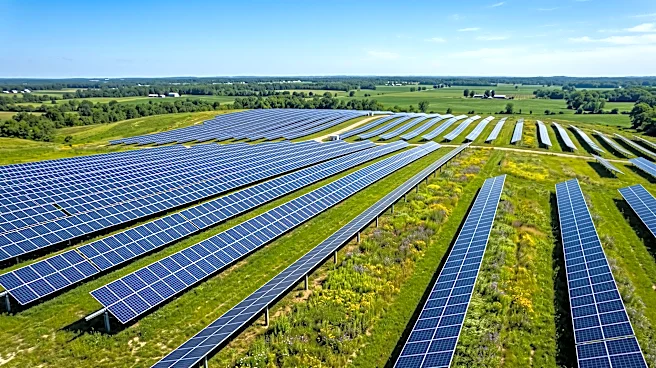
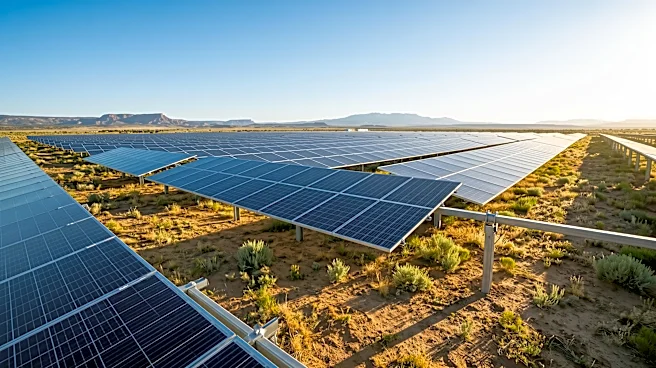
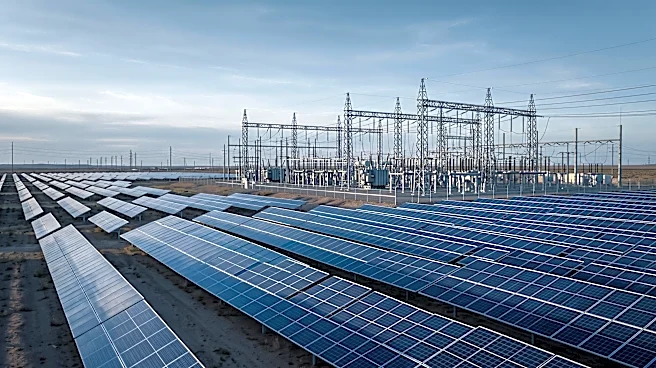
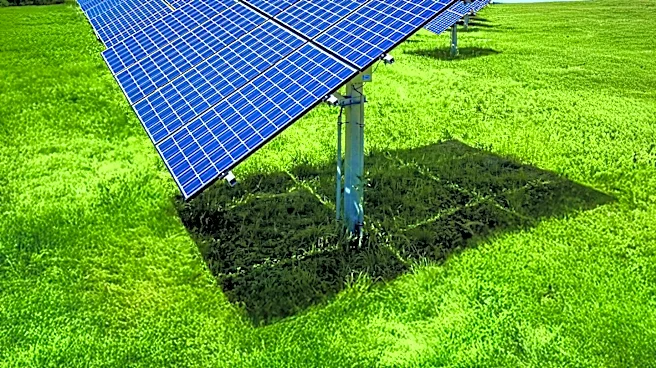
electricity using silicon panels that capture photons. This is an instantaneous physical process with no moving parts, and the technology has seen significant advancements, including the development of more energy-efficient materials like perovskite. In contrast, solar thermal energy concentrates solar radiation to generate heat, which is then used to produce electricity. This process typically involves fields of movable mirrors, such as heliostats or parabolic troughs, to focus sunlight onto a receiver. The heat produced is often transferred to a fluid to drive a turbine, generating electricity. While both aim to convert solar radiation into usable electricity, their methods of conversion—direct light conversion for PV and heat harnessing for solar thermal—distinguish them.
Why It's Important?
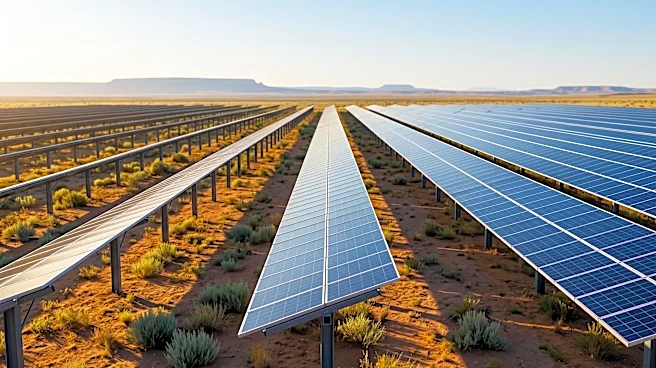
The distinction between solar thermal and photovoltaic technologies is crucial for understanding the diverse approaches to renewable energy and their respective applications in the U.S. energy landscape. Photovoltaics, with its direct conversion process, generally offers better performance due to fewer intermediate losses and greater durability, making it suitable for a wide range of applications, including residential self-consumption. Solar thermal technology, however, requires large tracts of land and substantial upfront investment, primarily deploying in large-scale power infrastructure projects and for industrial heat supply. This difference in scale and investment means that while PV dominates the global energy landscape for its versatility and cost-effectiveness in many scenarios, CSP remains a vital option for utility-scale power generation where continuous, dispatchable power is needed, often with integrated thermal storage. The ongoing development of both technologies contributes to a more efficient and sustainable energy model, offering varied solutions to meet the U.S.'s growing energy demands and climate goals.
What's Next?
The future of solar energy in the U.S. will likely see continued innovation and deployment in both photovoltaic and solar thermal sectors, each addressing different market needs. For photovoltaics, advancements in materials like perovskite are expected to further enhance efficiency and reduce costs, making solar panels even more accessible for residential and commercial installations. This will likely lead to increased adoption of small-scale PV systems and potentially new applications. For solar thermal, the focus will remain on optimizing large-scale projects, improving energy storage capabilities to provide consistent power, and exploring its role in industrial processes requiring high-temperature heat. Policy support, research and development funding, and market incentives will be critical in driving the growth and integration of both technologies into the national grid. The ongoing evolution of these solar technologies will contribute to a more diversified and resilient energy infrastructure, supporting the transition to a cleaner energy future.
Beyond the Headlines
Beyond the immediate technical differences, the contrasting characteristics of solar thermal and photovoltaic energy highlight broader implications for energy policy, infrastructure development, and environmental sustainability in the U.S. The scalability of PV allows for decentralized energy generation, empowering individual consumers and communities to produce their own power, which can foster energy independence and resilience against grid disruptions. Conversely, the large-scale nature of CSP projects often necessitates significant land use and centralized planning, raising questions about land conservation and environmental impact assessments. The integration of these diverse solar technologies into the national grid also presents challenges and opportunities for grid modernization, energy storage solutions, and smart grid management. Ultimately, a balanced approach that leverages the strengths of both PV and CSP, alongside other renewable sources, will be essential for achieving a comprehensive and sustainable energy transition, addressing both energy security and climate change objectives.