
What's Happening?
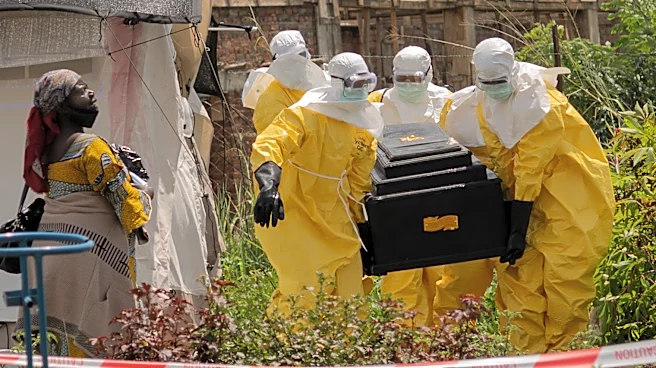
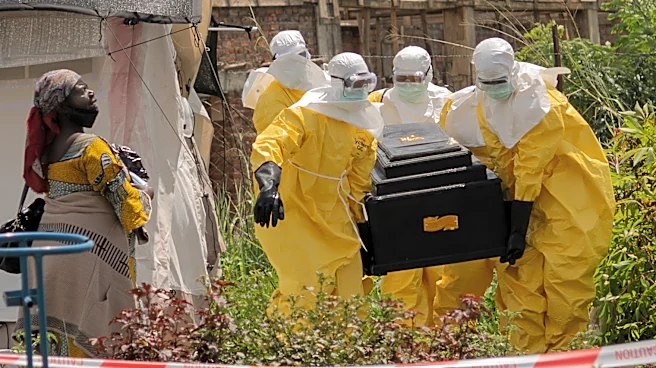
Three Red Cross volunteers have died in the Democratic Republic of Congo after contracting Ebola while on duty. The outbreak, which began in March, has been declared an international public health emergency
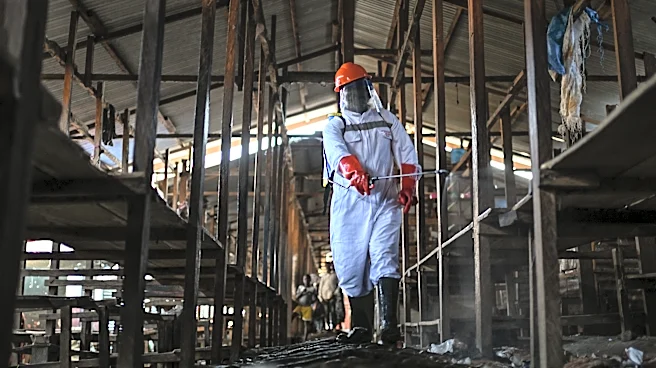
by the World Health Organization (WHO). The volunteers were part of the DR Congo Red Cross in Ituri, the epicenter of the outbreak. They were involved in managing dead bodies, a task that exposed them to the virus. The Bundibugyo strain of Ebola, involved in this outbreak, has no approved vaccine or treatment. The WHO has raised the risk assessment for Congo to the highest level, with 82 confirmed cases and seven confirmed deaths, alongside nearly 750 suspected cases and 177 suspected deaths.
Why It's Important?
The deaths of the Red Cross volunteers highlight the severe risks faced by healthcare workers in outbreak zones. The international declaration of a public health emergency underscores the potential for the virus to spread beyond the region, posing a global health threat. The lack of an approved vaccine or treatment for the Bundibugyo strain complicates containment efforts. This situation could strain international health resources and necessitate increased global cooperation to prevent further spread. The outbreak's impact on local communities is profound, with healthcare systems under pressure and economic activities disrupted.
What's Next?
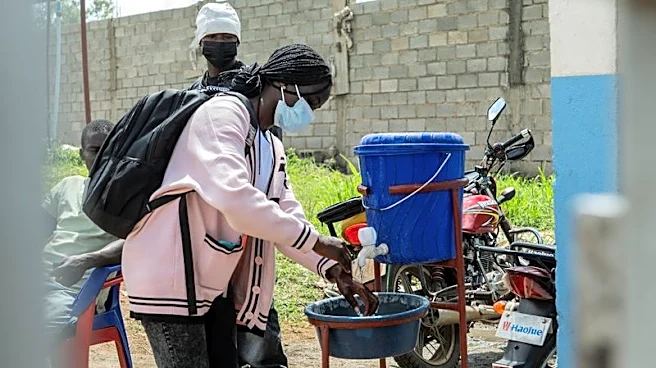
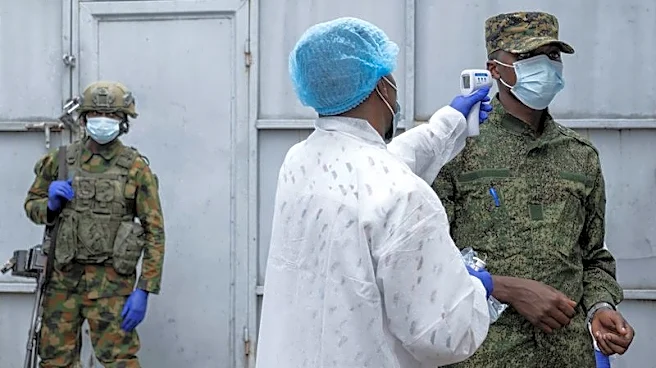
The WHO and international health organizations are likely to intensify efforts to contain the outbreak, including deploying more resources and personnel to affected areas. Neighboring countries may increase border controls and health screenings to prevent cross-border transmission. The international community may also push for accelerated research into vaccines and treatments for the Bundibugyo strain. The situation requires ongoing monitoring to assess the effectiveness of containment measures and the potential need for additional international support.