





What's Happening?
The University of Hawaii at Manoa has been awarded $2 million in federal funding from the National Science Foundation to develop advanced artificial intelligence (AI) tools aimed at enhancing food safety. This four-year project, a collaboration with the University of Nebraska–Lincoln,
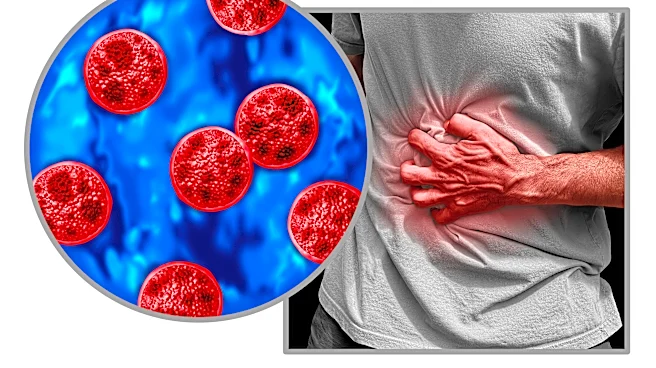
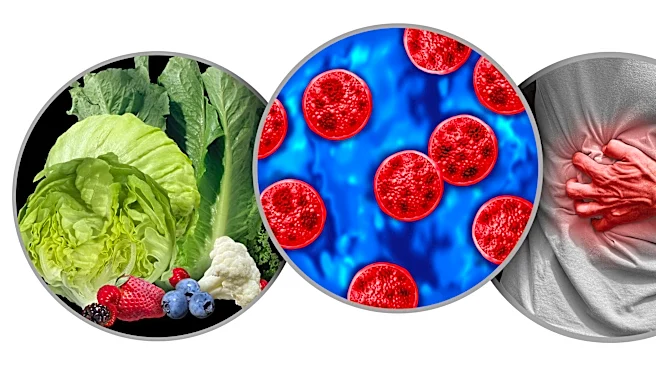
seeks to create technology capable of detecting environmental threats to food production systems before they escalate into major issues. Researchers will integrate AI with environmental sampling, genetic analysis, and chemical testing to identify potential risks across aquaculture, livestock, and agricultural sectors. Project principal investigator Tao Yan emphasized that the goal is to ensure food products are clean and safe for consumption, benefiting both farmers and consumers. The initiative comes as public health officials continue to investigate foodborne illnesses, such as those linked to Cyclospora, which are often identified only after people have consumed contaminated food. The new AI-based tools aim to proactively detect such problems.
Why It's Important?
This federal funding represents a significant investment in proactive food safety measures, with potential far-reaching impacts on public health and agricultural industries in the U.S. By enabling early detection of environmental threats, the technology could prevent widespread foodborne illnesses, reduce economic losses for farmers due to contaminated crops or livestock, and bolster consumer confidence in the food supply chain. The current approach to foodborne illness often involves reactive measures after outbreaks occur, leading to significant health crises and economic disruptions. This project shifts the paradigm towards prevention, potentially saving lives and billions of dollars in healthcare costs and agricultural losses. Furthermore, the collaboration between two major universities fosters inter-institutional research and development, strengthening the national scientific infrastructure in food safety and AI applications. The initial testing in aquaculture and beef cattle operations suggests a practical application that could quickly translate into tangible benefits for these critical sectors.
What's Next?
Researchers at the University of Hawaii at Manoa and the University of Nebraska–Lincoln will commence the four-year project, focusing on integrating AI with various scientific methodologies to develop the detection tools. The initial phase will involve testing the technology within aquaculture and beef cattle operations to validate its effectiveness in real-world settings. Beyond technological development, the project is designed to provide valuable research opportunities for students and junior faculty, fostering the next generation of experts in food safety and AI. Collaboration with industry partners, regulatory bodies, and local communities will be crucial for the successful implementation and adoption of these new tools. The insights gained from these partnerships will help refine the technology and ensure its practical applicability and scalability across diverse food production systems. The ultimate goal is to deploy these AI-based solutions to prevent food safety crises before they impact consumers.
Beyond the Headlines
The development of AI-powered food safety tools signifies a broader trend towards leveraging advanced technology to address complex societal challenges. This initiative highlights the ethical imperative of ensuring a safe food supply, particularly as global food systems face increasing pressures from environmental changes and evolving pathogens. The project also underscores the growing importance of interdisciplinary research, combining expertise in AI, environmental science, genetics, and public health. Long-term, successful implementation of such technologies could lead to a more resilient and secure national food system, reducing reliance on reactive measures and fostering a culture of proactive risk management. This could also set a precedent for other sectors to adopt similar AI-driven predictive models for safety and quality control, potentially transforming industries beyond agriculture. The educational component, providing opportunities for students and junior faculty, ensures a sustainable pipeline of talent for future innovations in this critical field.