
What's Happening?
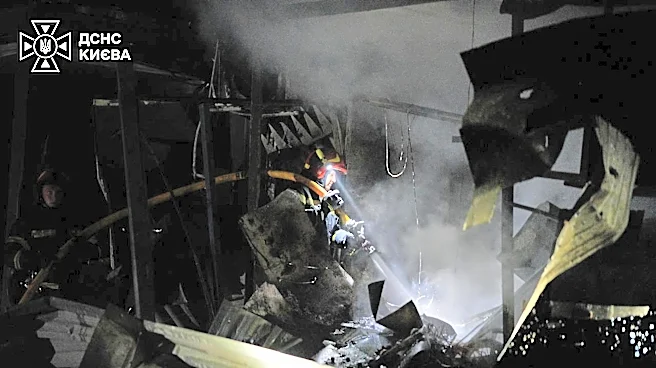
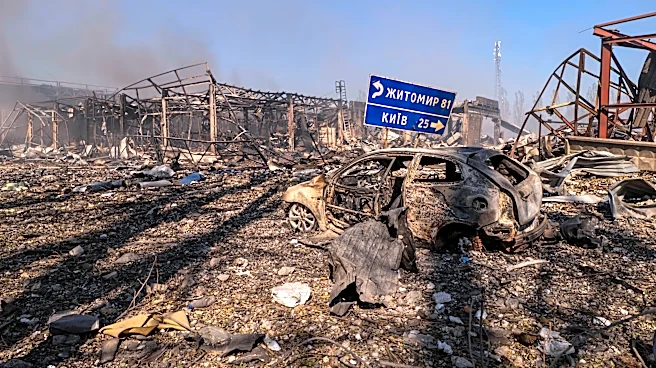
At least 12 people have been killed and 21 wounded in a wave of Russian air attacks on Ukraine’s capital Kyiv and the surrounding region. Kyiv Mayor Vitali Klitschko reported eight deaths and five injuries, including two children, in the city, while Ukrainian
prosecutors confirmed four additional deaths in the Kyiv region. Residential buildings were damaged, and 50 people were evacuated from a building in Boryspil. Ukrainian President Volodymyr Zelenskyy denounced the attacks as 'Russian terror' and called on allies to boost Ukraine's air defenses, noting that Russia plans its strikes to cause maximum destruction when air defense capabilities are insufficient. Russia's Ministry of Defense stated it hit military and energy facilities in Kyiv and Odesa. These attacks coincide with a meeting of European Union defense and foreign ministers in Ireland, where they are discussing strengthening Ukraine's air defenses, particularly addressing a shortage of interceptor missiles like the United States-made Patriot systems. Both sides have escalated long-range strikes, targeting infrastructure and increasing civilian casualties.
Why It's Important?
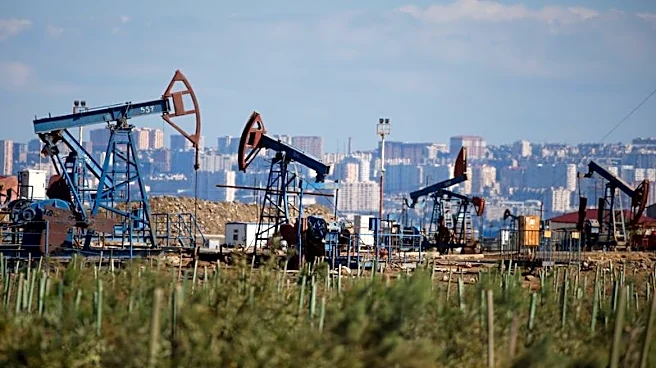
The recent Russian drone and missile attacks, resulting in significant civilian casualties and infrastructure damage in Kyiv, underscore the critical and immediate need for enhanced air defense systems in Ukraine. The targeting of residential areas and essential facilities highlights Russia's strategy to inflict terror and disrupt daily life, which has led to July and August being the deadliest months for civilians. The shortage of interceptor missiles, especially advanced systems like the Patriot, leaves Ukrainian cities vulnerable to these devastating assaults. The ongoing EU defense ministers' meeting in Ireland to address this shortage is crucial, as effective air defense is paramount for protecting lives and maintaining stability. The escalation of long-range strikes by both sides, impacting infrastructure such as warehouses, businesses, and oil and port facilities, also has broader economic implications, disrupting supply chains and increasing the cost of conflict. The international community's response to Ukraine's air defense needs will significantly influence the humanitarian situation and the course of the war.
What's Next?
European Union defense and foreign ministers are currently meeting in Ireland to discuss strategies for strengthening Ukraine's air defenses. The immediate focus will be on addressing the shortage of interceptor missiles, particularly United States-made Patriot systems. Discussions are expected to lead to concrete plans for the transfer of existing air-defense systems and ammunition, as well as initiatives to increase European production and procurement of additional units. Enhanced intelligence cooperation to help Ukraine identify Russian stockpiles and launch sites is also on the agenda. Ukrainian officials will likely continue to press for urgent military aid, emphasizing the ongoing threat to civilians and infrastructure. The outcome of these meetings will determine the speed and scale of military assistance provided to Ukraine, which is critical for mitigating future Russian attacks and protecting its population. Additionally, the EU may consider tightening sanctions against Russia's military-industrial complex to further impede its war efforts.
Beyond the Headlines
The intensified use of drones and ballistic missiles in the conflict, particularly against civilian targets, raises serious concerns about the evolving nature of modern warfare and its impact on non-combatants. The deliberate targeting of residential areas and critical infrastructure, as highlighted by President Zelenskyy, constitutes a grave violation of international humanitarian law and underscores the psychological dimension of the conflict. The reliance on advanced air defense systems like the Patriot, and the challenges in their procurement and deployment, reveal the technological arms race inherent in contemporary conflicts. This situation also prompts a re-evaluation of global defense strategies and the need for international cooperation in developing and deploying effective counter-drone and missile defense technologies. The long-term societal impact of such sustained attacks, including displacement, trauma, and the destruction of cultural heritage, will require extensive international support for recovery and reconstruction efforts, even after the cessation of hostilities.