






What's Happening?
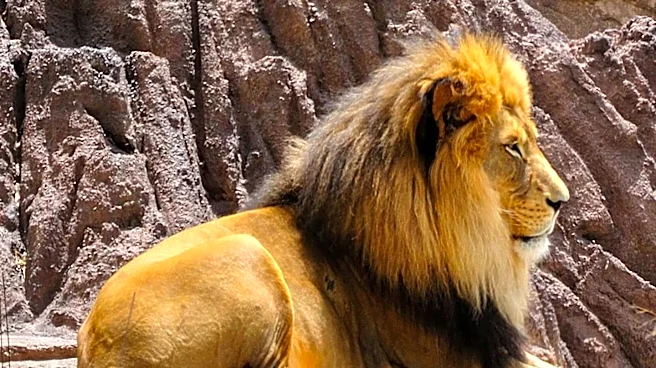
Three lions at the Tama Zoological Park in Tokyo have died due to suspected heatstroke, as Japan experiences record-breaking temperatures. The zoo reported that 10 out of 16 lions fell ill, with symptoms such as loss of appetite and fatigue. Despite efforts
to cool the animals and provide medical treatment, a three-year-old female lion died on July 28, followed by an 11-year-old on July 31, and a 15-year-old on August 2. Autopsies revealed signs of dehydration and multiple organ failure, indicating heat stress as a likely cause. The zoo has closed its lion exhibit and continues to treat the remaining affected lions.
Why It's Important?
The deaths of the lions highlight the severe impact of the ongoing heatwave in Japan, which has seen temperatures soar to unprecedented levels. This situation underscores the broader challenges posed by climate change, as extreme weather events become more frequent and intense. The incident also raises concerns about animal welfare in zoos during such conditions, prompting a reevaluation of how facilities can better protect wildlife from environmental stressors. The heatwave has also affected human populations, with heatstroke alerts issued across the country, emphasizing the urgent need for adaptive measures to safeguard both human and animal health.
What's Next?
The zoo has not yet decided when to reopen the lion exhibit, as it focuses on the health and recovery of the remaining lions. This incident may lead to increased scrutiny of zoo practices and the implementation of more robust measures to protect animals during extreme weather. Additionally, the ongoing heatwave in Japan is expected to persist, with authorities likely to continue issuing heat alerts and advising the public on safety measures. The situation may also prompt further discussions on climate change mitigation and adaptation strategies at both national and international levels.