
What's Happening?
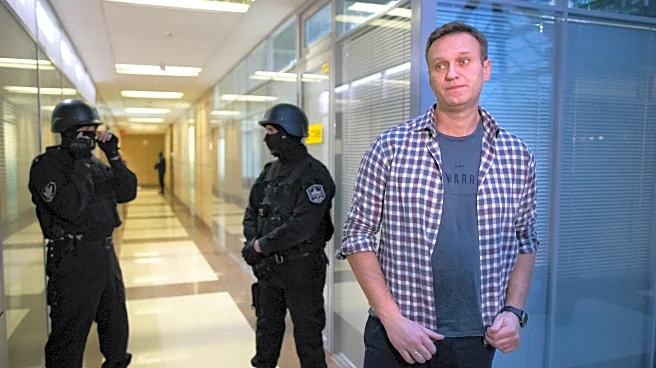
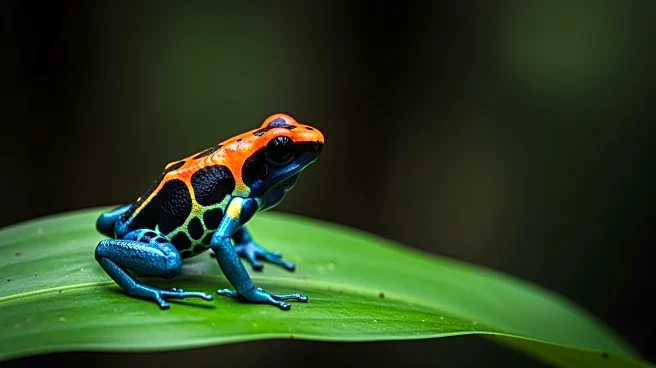
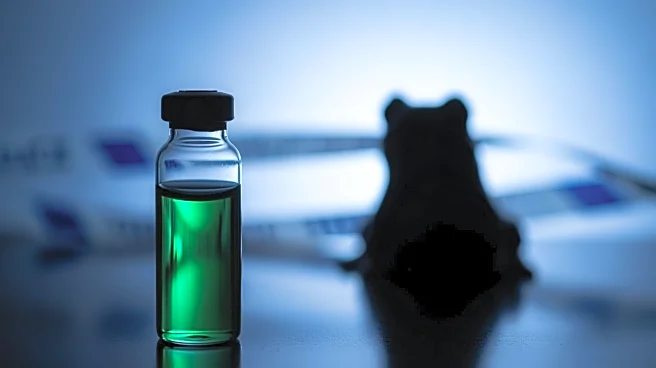
A multi-intelligence agency inquiry by the UK, France, Germany, Sweden, and the Netherlands has concluded that Russian opposition leader Alexei Navalny was killed by a toxin found in Ecuador dart frogs.
The UK has accused Russia of deploying this toxin, epibatidine, during Navalny's imprisonment in a Siberian penal colony. The UK Foreign Office plans to report Russia to the Organisation for the Prohibition of Chemical Weapons, citing a violation of the Chemical Weapons Convention. The US was not part of the intelligence agencies making this claim.
Why It's Important?
The accusation against Russia highlights the ongoing geopolitical tensions and the potential use of chemical weapons as a tool for political suppression. This situation could lead to further diplomatic isolation of Russia and increased scrutiny of its compliance with international chemical weapons agreements. The revelation of the specific toxin used in Navalny's death adds a new dimension to the narrative of state-sponsored assassinations and could influence international policy and security measures.
What's Next?
The UK and its allies may push for international accountability measures against Russia, potentially leading to sanctions or other diplomatic actions. The Organisation for the Prohibition of Chemical Weapons may conduct investigations into the alleged use of chemical weapons. The situation could also prompt discussions on strengthening international norms and enforcement mechanisms to prevent the use of chemical weapons.