






What's Happening?
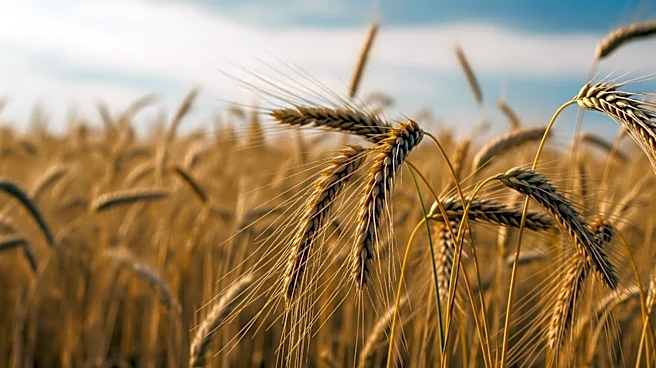
Kansas State University plant disease expert Kelsey Andersen Onofre is advising wheat growers in Kansas to closely monitor their fields for wheat rusts as spring conditions change. The diseases, including stripe rust, leaf rust, and stem rust, can significantly
impact wheat yields if conditions favor their development. While stripe rust activity is currently low due to unfavorable conditions in Texas, leaf rust poses a higher risk this year. Growers are encouraged to scout their fields regularly and consider fungicide applications if necessary.
Why It's Important?
Monitoring and managing wheat rusts is crucial for Kansas wheat growers to protect their crops and ensure optimal yields. Early detection and proactive management can prevent significant yield losses, which can reach up to 20% in severe cases. The advice from experts like Andersen Onofre helps growers make informed decisions about disease management, ultimately supporting the agricultural economy in Kansas and beyond.
What's Next?
As the season progresses, Kansas wheat growers will need to remain vigilant in monitoring rust activity and weather conditions. The potential for wetter weather in April could increase the risk of disease development, making timely scouting and management decisions critical. Growers will also need to stay informed about rust activity in southern regions, as this can provide early indicators of potential threats.