


What's Happening?
An Israeli court has denied a five-year-old Palestinian boy, suffering from an aggressive form of cancer, entry into Israel for life-saving treatment. The decision is based on a government policy that prohibits residents registered in Gaza from crossing
into Israel, even if they no longer reside there. The boy, who has been living in the West Bank since 2022, requires a bone marrow transplant, a procedure not available in Gaza or the West Bank. The court's ruling reflects Israel's stringent post-October 7, 2023, restrictions following Hamas attacks, which have affected many, including cancer patients who previously accessed treatment in Jerusalem. The boy's mother expressed despair, calling the ruling a death sentence for her son, whose father also died of cancer three years ago. The Israeli human rights organization Gisha has been advocating for the boy, highlighting the policy's harsh impact on Palestinians needing urgent medical care.
Why It's Important?
This ruling underscores the severe humanitarian implications of Israel's security policies on Palestinian civilians, particularly those requiring urgent medical care. The decision not only affects the boy and his family but also highlights the broader issue of access to healthcare for Palestinians in Gaza and the West Bank. With approximately 11,000 cancer patients trapped in Gaza and a significant increase in cancer-related deaths since the conflict began, the policy has dire consequences. The ruling also raises ethical questions about the balance between security measures and humanitarian needs, as well as the role of legal systems in upholding or challenging such policies.
What's Next?
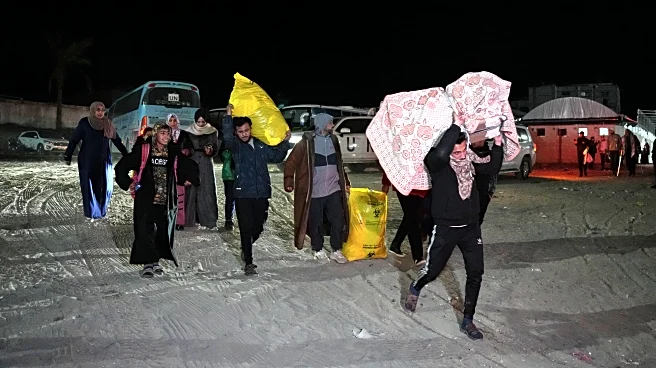
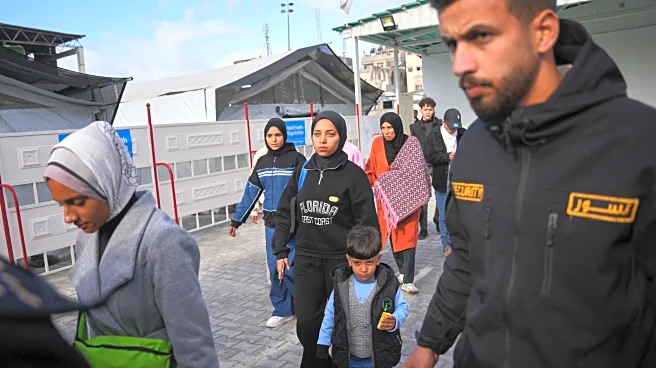
The immediate future for the boy remains uncertain, as legal avenues appear exhausted following the court's decision. Human rights organizations may continue to advocate for policy changes or seek international intervention to address the broader humanitarian crisis. The situation may prompt further scrutiny and debate over Israel's policies regarding Palestinian access to medical care, potentially influencing future legal and political actions. Additionally, the reopening of the Rafah crossing may offer some relief, but the number of patients needing urgent care far exceeds those able to leave.
Beyond the Headlines
The case highlights the complex interplay between security policies and humanitarian needs in conflict zones. It raises questions about the ethical responsibilities of states to provide access to essential services, regardless of political or security considerations. The ruling may also influence international perceptions of Israel's policies and could impact diplomatic relations, particularly with countries advocating for human rights. Long-term, the situation could contribute to shifts in international law regarding the treatment of civilians in conflict areas.