




What's Happening?
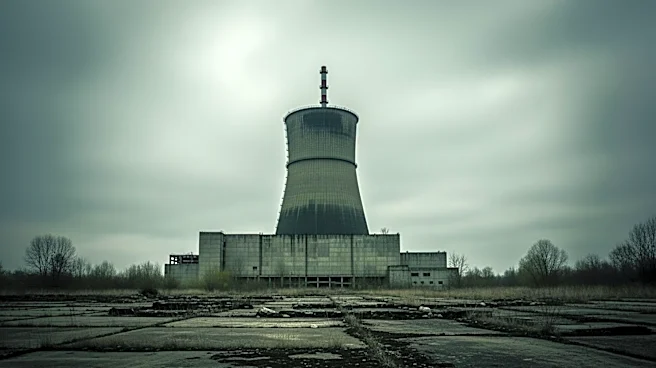
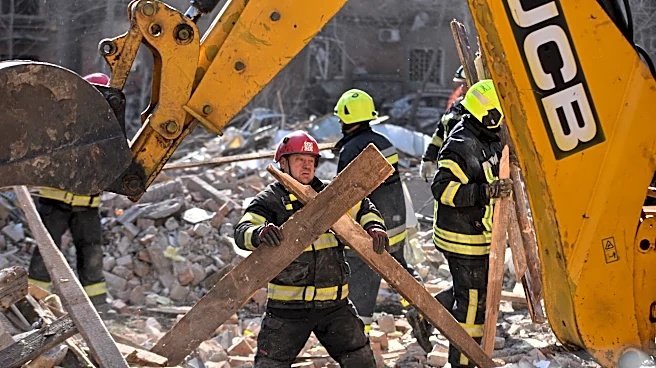
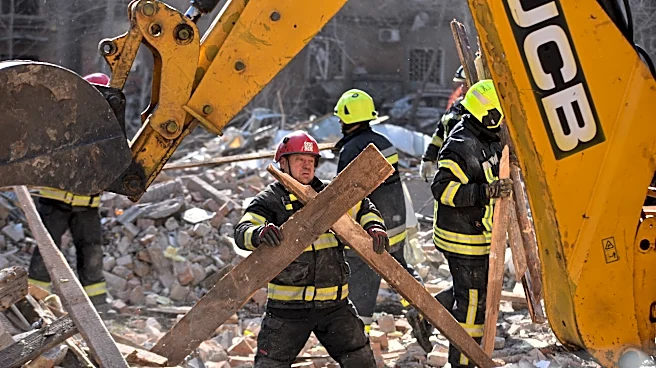
On the 40th anniversary of the Chernobyl nuclear disaster, strikes across Ukraine and Russian-occupied territories resulted in at least 16 deaths. Ukrainian President Volodymyr Zelenskyy highlighted the risks of attacks near the Chernobyl plant, warning
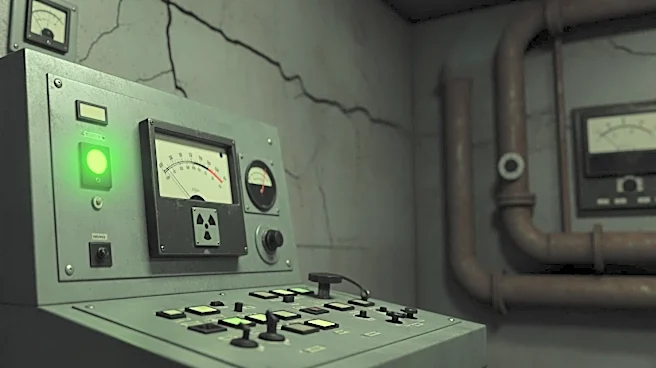
of potential nuclear threats. The strikes included Russian drone and missile attacks on Dnipro, killing nine, and Ukrainian drone strikes in Crimea and Russia. The International Atomic Energy Agency expressed concerns over the safety of the Chernobyl site, emphasizing the need for immediate repairs to its protective structures.
Why It's Important?
The ongoing conflict between Russia and Ukraine continues to pose significant risks, particularly concerning nuclear safety. The strikes near Chernobyl highlight the potential for catastrophic consequences if nuclear facilities are compromised. This situation underscores the urgent need for international intervention to prevent further escalation and ensure the safety of nuclear sites. The conflict's impact extends beyond regional borders, affecting global security and stability, and necessitating a coordinated response from the international community.
What's Next?
The international community is likely to increase diplomatic efforts to address the nuclear risks posed by the conflict. The International Atomic Energy Agency may push for more stringent safety measures and inspections at nuclear sites in conflict zones. Additionally, there could be increased pressure on Russia to cease attacks near sensitive areas. The situation may also prompt discussions on enhancing global nuclear safety protocols to prevent similar threats in the future.