








What's Happening?
The European Investment Bank (EIB) and Spain's Ministry of Economy, Trade and Business have announced a significant financial package aimed at modernizing the electricity distribution networks in Spain. The initiative involves a total of €870 million
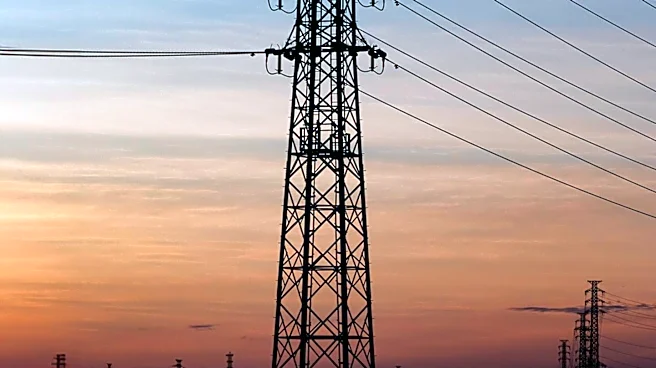
in financing to the energy company Naturgy. This funding is divided into two loans: €520 million from Spain’s Regional Resilience Fund and €350 million from the EIB. The investment will focus on upgrading and digitalizing Naturgy's electricity distribution grids across five autonomous communities: Andalusia, Castilla-La Mancha, Castile and León, Galicia, and Madrid. The project includes the construction and reinforcement of approximately 2,300 kilometers of electricity networks, incorporating new lines and upgrades to existing infrastructure. The initiative also aims to enhance the grid's digital capabilities, improve automation and remote control systems, and reduce grid losses.
Why It's Important?
This investment is crucial for Spain's energy infrastructure, as it addresses the growing demand for electricity and the need for more efficient and resilient power grids. By modernizing the electricity distribution networks, the project supports Spain's broader goals of energy transition and sustainability. The digital upgrades and network reinforcements will not only improve service reliability but also facilitate the integration of renewable energy sources. This aligns with the European Union's objectives of reducing carbon emissions and enhancing energy security. The financial backing from the EIB and Spain's Regional Resilience Fund underscores the importance of public-private partnerships in achieving these goals. The project is expected to have a positive impact on local economies by creating jobs and fostering technological innovation in the energy sector.
What's Next?
As the project progresses, Naturgy will continue to implement the planned upgrades and expansions of the electricity networks. The focus will be on ensuring that the new infrastructure meets the increasing demand for electricity while supporting the integration of renewable energy sources. Stakeholders, including local governments and communities, will likely monitor the project's impact on regional development and energy efficiency. The success of this initiative could serve as a model for similar projects across Europe, highlighting the role of strategic investments in achieving energy transition goals. Additionally, the EIB's involvement may encourage further investments in sustainable energy projects, reinforcing the EU's commitment to a greener future.