
What's Happening?
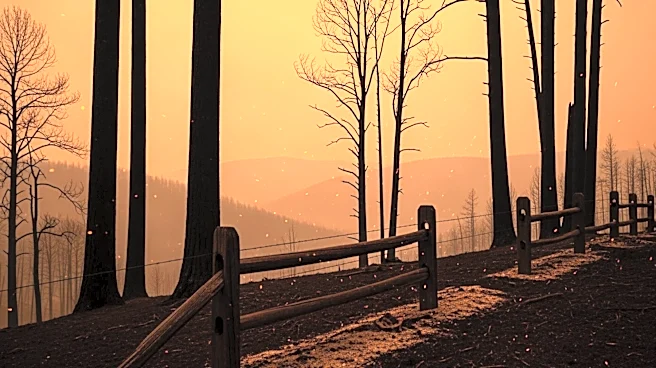
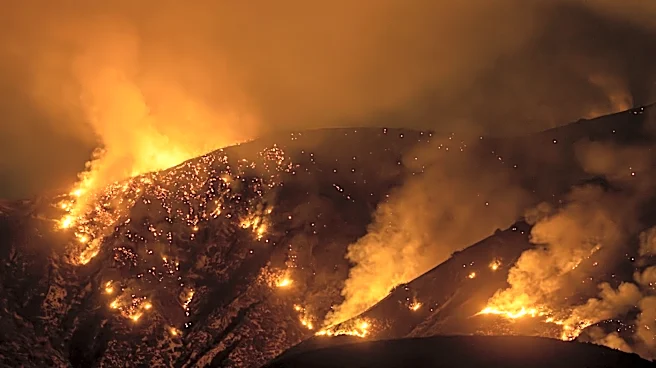
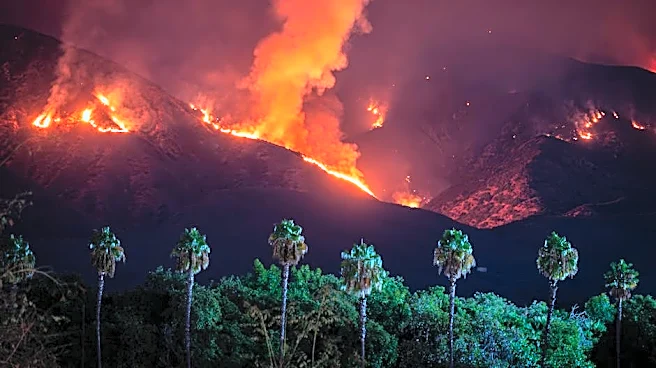
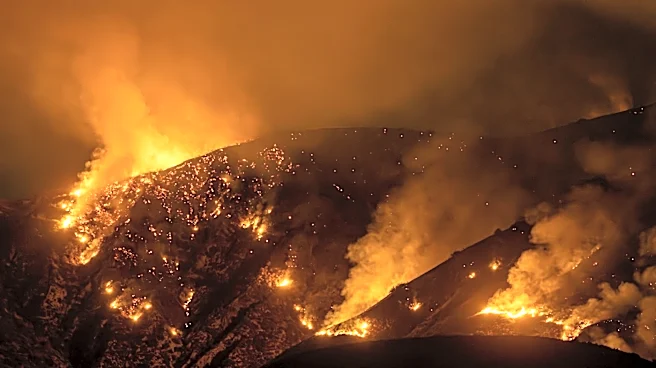
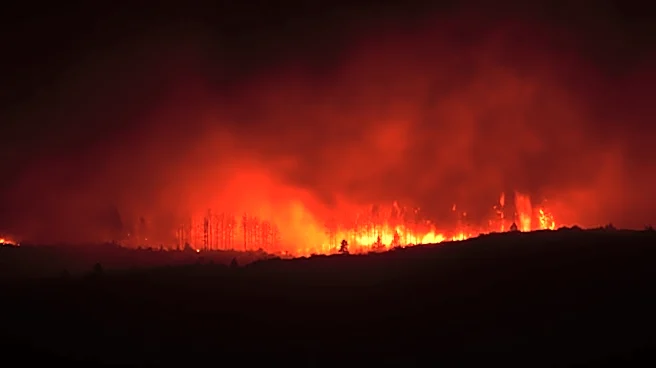
Southern California is experiencing an early start to its fire season, with wildfires burning over 26,000 acres and forcing 45,000 evacuations. The largest fire, the Santa Rosa Island Fire, is believed
to have been ignited by a shipwrecked mariner. The Sandy Fire in Simi Valley, responsible for most evacuations, may have been started by a tractor spark. Experts attribute the early fire season to climate change, which has advanced the onset of fire seasons by drying out vegetation. The region has seen little precipitation since December, and recent offshore winds have exacerbated fire conditions.
Why It's Important?
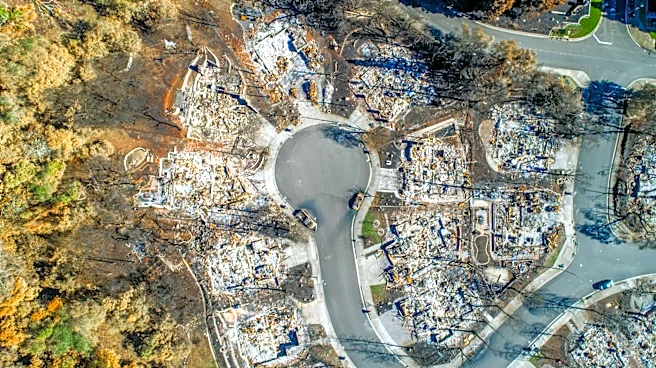
The early onset of the fire season in Southern California underscores the impact of climate change on fire behavior. Rising temperatures and decreased precipitation have increased the risk of wildfires, posing significant threats to communities and ecosystems. The fires have led to widespread evacuations and property damage, highlighting the need for improved fire management and community resilience. The situation also raises concerns about the long-term sustainability of living in fire-prone areas, as population growth continues to push development into these regions.
What's Next?
Firefighting efforts are focused on containing the current blazes, with authorities monitoring weather conditions closely. The potential for further fires remains high, given the dry conditions and forecasted winds. Long-term, there is a need for strategies to mitigate the impact of climate change on fire risk, including better land management practices and community preparedness. The situation serves as a reminder of the importance of addressing climate change to reduce the frequency and severity of wildfires.