





What's Happening?
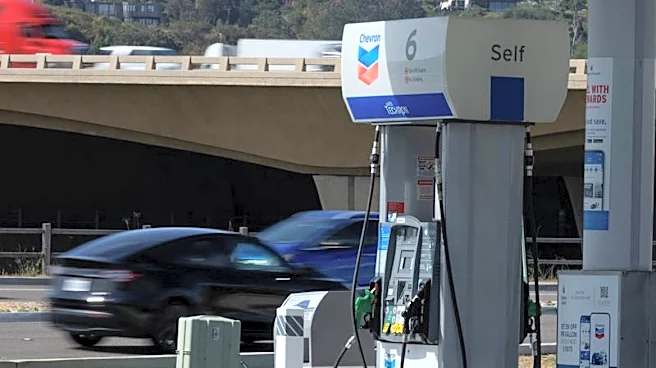
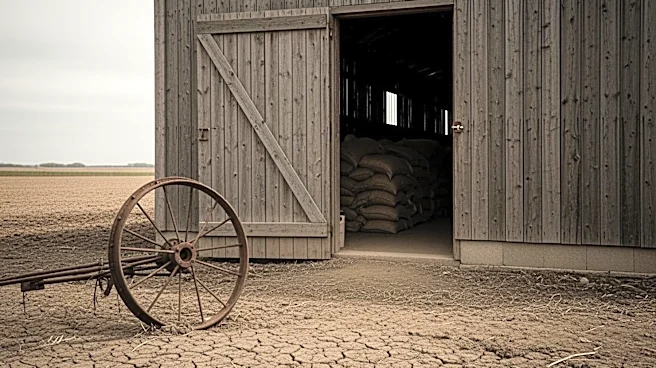
Minnesota farmers are facing economic difficulties as they begin planting, with the ongoing U.S. conflict with Iran and trade tensions affecting their operations. Rising diesel and fertilizer costs, coupled with low crop prices, are squeezing profit margins.
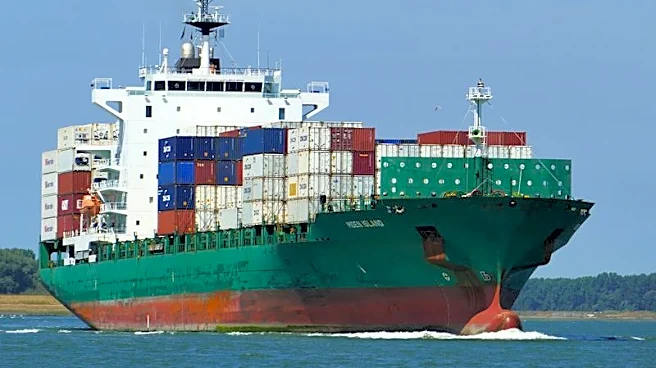
Many farmers are relying on savings accumulated during the pandemic to cover losses, as government aid is insufficient to offset the financial strain. The trade war initiated by President Trump has limited international buyers, further impacting farmers' income. The situation is exacerbated by a decrease in crop acreage and a reliance on government payments to break even.
Why It's Important?
The economic challenges faced by Minnesota farmers highlight the broader impact of geopolitical tensions and trade policies on U.S. agriculture. The reliance on international markets for crop sales means that trade disruptions can have significant financial repercussions. The situation underscores the need for stable trade relations and supportive government policies to ensure the sustainability of the agricultural sector. The financial health of farmers is crucial for food security and the rural economy, making these issues of national concern.
What's Next?
Farmers are hoping for a resolution to the trade war and the conflict with Iran, which could stabilize input costs and open up international markets. In the meantime, they are focusing on financial resilience, such as maintaining working capital reserves. Policymakers may need to consider additional support measures to help farmers navigate these challenges. The agricultural community is advocating for trade policies that recognize the importance of international relationships and market access.