





What's Happening?
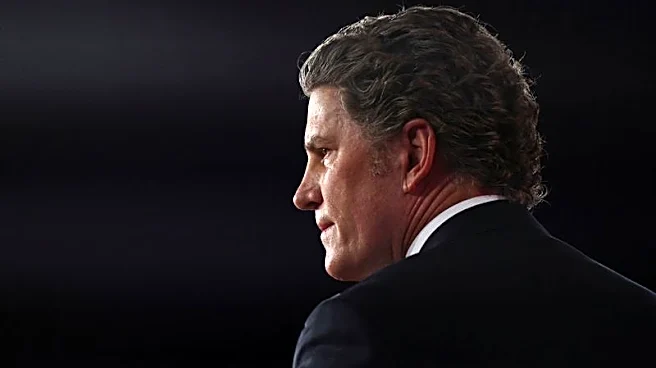
U.S. Congressman Pete Sessions, representing Texas's 17th Congressional District, has recently been involved in two notable public actions. Sessions, a Republican, publicly denounced racist posts made by fellow Republican Bo French, who targeted Indian-origin
students at the University of Texas. Appearing on CNN, Sessions stated that such posts were inappropriate and something he would not condone. In a separate event, Congressman Sessions extended birthday wishes to Mahant Swami Maharaj, the leader of the Bochasanwasi Akshar Purushottam Swaminarayan Sanstha (BAPS), on his 93rd birthday. Sessions expressed his gratitude for their friendship and highlighted the value he places on Swami Maharaj's wisdom and service to others. This follows a seven-day visit to India earlier in the year by Sessions, which included a tour of the BAPS Yogiji Maharaj Hospital in Shahibaug.
Why It's Important?
Congressman Sessions' denouncement of racist posts by a fellow Republican carries significant weight within the political landscape, particularly concerning intra-party conduct and public perception. His clear stance against such rhetoric signals a potential division within the Republican Party regarding acceptable discourse and may influence how other politicians address similar issues. This action could also reassure minority communities, specifically those of Indian origin, that their concerns about discrimination are being acknowledged by some political figures. Furthermore, his public birthday wish to Mahant Swami Maharaj underscores the growing engagement between U.S. political figures and international religious leaders, particularly those with a significant following among diaspora communities in the United States. This interaction can foster diplomatic ties and strengthen cultural connections, potentially influencing policy discussions related to religious freedom and international relations.
What's Next?
The denouncement of Bo French's posts by Congressman Sessions may lead to further scrutiny of French's nomination for Texas Railroad Commissioner and could prompt other Republican figures to either support or distance themselves from French's statements. This could ignite broader discussions within the Texas Republican Party about its public image and internal standards. Regarding his relationship with BAPS, Congressman Sessions' continued engagement with Mahant Swami Maharaj suggests a sustained interest in fostering ties with the organization and its community. This could lead to future collaborations or public appearances that further solidify these connections, potentially influencing policy discussions related to religious communities or international partnerships. The BAPS organization itself has recently faced controversy in France, and continued support from U.S. politicians like Sessions could be seen as a counter-narrative to such criticisms.
Beyond the Headlines
Congressman Sessions' actions highlight the complex interplay between domestic political ethics and international cultural diplomacy. His condemnation of racist remarks reflects an ongoing struggle within American politics to define acceptable boundaries of public speech, especially when it targets specific ethnic or racial groups. This incident could contribute to a broader conversation about accountability for discriminatory language among political candidates and elected officials. Simultaneously, his public acknowledgment of a global spiritual leader like Mahant Swami Maharaj points to the increasing recognition of the influence of religious organizations and their leaders on a global scale. This engagement can have subtle but profound impacts on soft power diplomacy, fostering goodwill and understanding between nations and cultures, while also potentially raising questions about the separation of church and state in political endorsements.