





What's Happening?
Genomic studies in Kenya indicate that climate extremes, specifically floods and droughts, are not only triggering cholera outbreaks but also facilitating the survival and spread of drug-resistant Vibrio cholerae bacteria. Samuel Kariuki, a professor
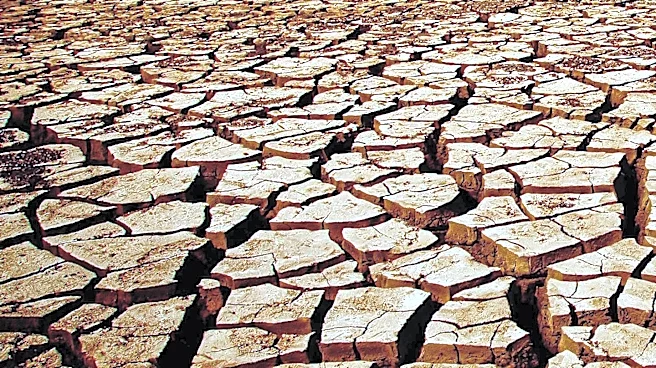
of tropical medicine, notes a significant shift since 2012, with approximately 80% of circulating V. cholerae strains in Kenya now being multidrug-resistant, compared to nearly 90% being susceptible a decade ago. Floods contribute by carrying waste into water sources, bringing V. cholerae into contact with other resistant bacteria, leading to gene exchange. Droughts, conversely, force vulnerable communities to use unsafe water sources and store water in open containers, creating conditions for bacterial survival and transmission. These environmental pressures are turning water systems into what researchers call a 'resistance biome'.
Why It's Important?
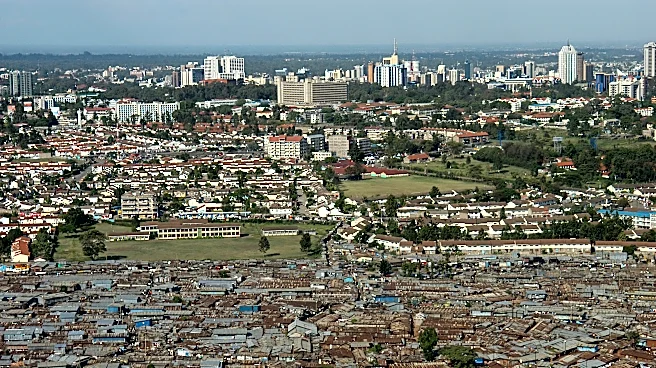
The rise of drug-resistant cholera in Kenya, exacerbated by climate extremes, poses a severe public health crisis. Multidrug-resistant strains are more challenging to treat, leading to higher mortality rates and prolonged outbreaks. This situation places immense strain on healthcare systems, particularly in regions with limited resources and vulnerable populations, such as informal settlements. The persistence of these resistant bacteria in the environment means that even after an outbreak subsides, the threat remains, making future outbreaks more likely and harder to control. The findings highlight a critical intersection of climate change, public health, and antimicrobial resistance, underscoring the need for integrated strategies that address environmental factors alongside medical interventions to safeguard community health.
What's Next?
To combat the escalating threat of drug-resistant cholera, experts like Diana Imoli, a biotechnologist at the Kenya Medical Research Institute, advocate for integrating environmental genomic surveillance into existing disease surveillance systems. This approach would allow for the early detection of resistant pathogens before they trigger large outbreaks. Additionally, prevention remains crucial, with World Health Organization-approved oral cholera vaccines being vital for protecting at-risk communities. Addressing the root causes, such as improving access to safe water and sanitation infrastructure, especially in vulnerable areas, will be essential. International collaboration and funding will also be necessary to support these surveillance and prevention efforts, particularly given the cost implications of routine environmental monitoring.
Beyond the Headlines
The emergence of drug-resistant cholera driven by climate extremes in Kenya reveals a deeper, less obvious implication: the profound impact of environmental degradation on global health security. This phenomenon underscores the 'One Health' concept, recognizing the interconnectedness of human, animal, and environmental health. The free movement of resistance genes between bacteria in contaminated water systems highlights the complex ecological dynamics that can accelerate antimicrobial resistance. This situation also raises ethical considerations regarding global responsibility for climate change and its disproportionate impact on vulnerable populations in developing countries. The long-term shifts could include a re-evaluation of public health strategies to incorporate climate resilience and environmental stewardship as core components, moving beyond reactive disease management to proactive ecological health interventions.