






What's Happening?
FirstEnergy has outlined a comprehensive plan to enhance the electric system serving Lakewood, Ohio, following a series of persistent power outages that have affected residents and businesses for over a year. Torrence L. Hinton, president of FirstEnergy Ohio, acknowledged
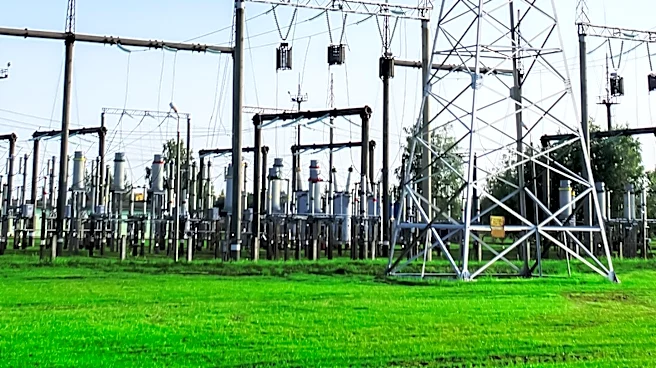
the frustration caused by these disruptions and expressed the company's commitment to improving reliability. The utility is implementing several upgrades, including the installation of new transformers, with the first of two new transformers at the Lakewood Substation already in service and the second expected to be energized by the end of the year. Additionally, FirstEnergy is conducting detailed reviews of all 49 circuits in the Lakewood area, utilizing thermal imaging to identify and address equipment showing signs of stress or wear. The company is also upgrading technology at key locations to improve monitoring and response times, and inspecting equipment throughout the system. These efforts come after the Public Utilities Commission of Ohio (PUCO) issued a notice of probable noncompliance to FirstEnergy's Cleveland Electric Illuminating Co. for failing to provide adequate electric service, potentially leading to a proposed forfeiture of $3,049,750.
Why It's Important?
The ongoing power reliability issues in Lakewood, Ohio, and FirstEnergy's response have significant implications for both the local community and the broader utility sector. For Lakewood residents and businesses, consistent power outages disrupt daily life, impact commerce, and can pose safety concerns, especially during extreme weather conditions. The PUCO's finding of probable noncompliance and the potential forfeiture highlight the regulatory scrutiny utilities face when failing to meet service standards. This situation underscores the critical need for infrastructure investment and maintenance in aging electrical grids across the U.S. The proposed upgrades by FirstEnergy, including new transformers and advanced monitoring technologies, are crucial for modernizing the grid and ensuring more resilient power delivery. The outcome of these efforts will serve as a case study for other communities experiencing similar challenges with their utility providers, emphasizing the importance of accountability and proactive measures to prevent widespread service disruptions.
What's Next?
FirstEnergy plans to continue implementing its outlined upgrades in Lakewood, with the second new transformer at the Lakewood Substation expected to be energized by the end of the year, ahead of its original schedule. Crews will also continue detailed reviews of circuits, use thermal imaging to identify equipment issues, and upgrade technology for improved monitoring and response. The company has pledged to keep Lakewood customers informed as major improvements are completed and as findings from ongoing system reviews become available. The Public Utilities Commission of Ohio (PUCO) will likely continue its oversight, especially concerning the proposed forfeiture of $3,049,750 for alleged noncompliance with reliability requirements. The city of Lakewood, which previously filed a formal complaint with PUCO, will be closely monitoring FirstEnergy's progress and the effectiveness of these improvements in reducing the frequency and duration of power outages. The success of these initiatives will determine whether FirstEnergy can regain the trust of its customers and avoid further regulatory penalties.
Beyond the Headlines
The situation in Lakewood extends beyond immediate power restoration, touching upon broader issues of infrastructure resilience, regulatory effectiveness, and corporate responsibility. The discovery of aging electrical infrastructure and the unusual practice of cooling transformers with lawn-style sprinklers raise questions about long-term investment strategies and adherence to industry standards within utility companies. This incident highlights the vulnerability of critical infrastructure to both neglect and extreme weather events, prompting a reevaluation of how utilities prepare for and respond to climate-related challenges. Furthermore, the public outcry and the city's formal complaint underscore the growing expectation for transparency and accountability from utility providers. The PUCO's intervention and potential penalties serve as a reminder that regulatory bodies play a vital role in safeguarding public interest and ensuring essential services are reliably delivered. This case could influence future regulatory frameworks and investment mandates for utilities nationwide, pushing for more robust infrastructure upgrades and improved communication protocols during service disruptions.