






What's Happening?
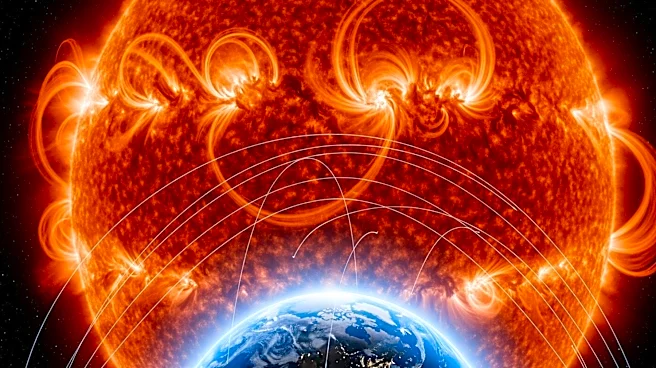
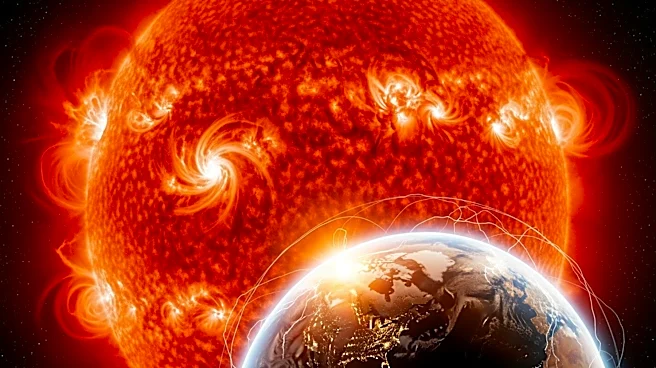
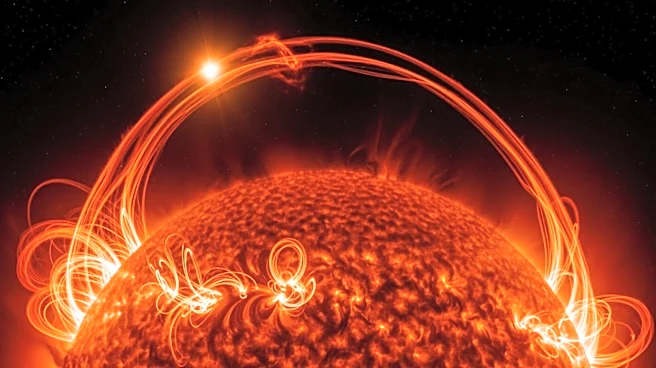
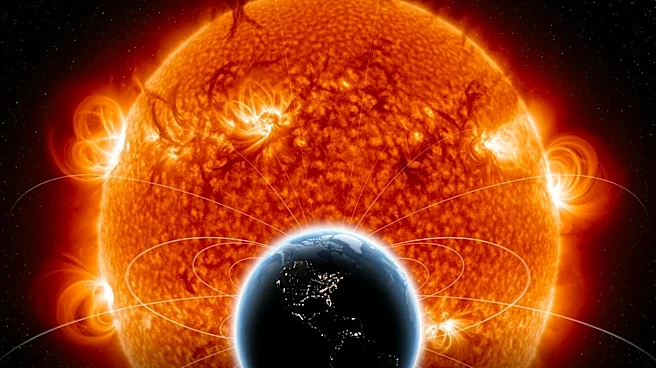
A new study suggests using chemicals fired from satellites as 'airbags' to shield Earth from solar storms. These storms, caused by high-energy particles from the Sun, can disrupt communications and power grids. The proposed system, called 'Storm Wall,'
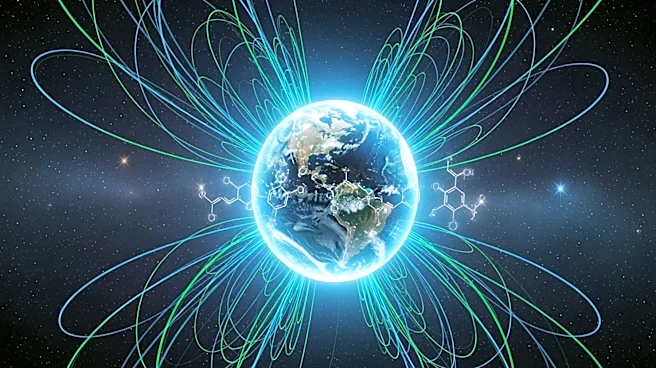
involves launching satellites into geosynchronous orbit to release chemicals like barium or lithium, creating plasma that deflects solar energy. This could reduce the impact of geomagnetic storms by half, protecting critical infrastructure. The concept uses existing technology, making it a feasible defense against space weather risks, though cost and material requirements pose challenges.
Why It's Important?
Solar storms pose significant risks to modern technology, including satellites and power grids. As society becomes increasingly reliant on technology, the potential for disruption from space weather events grows. The proposed 'Storm Wall' system offers a proactive approach to mitigating these risks, potentially safeguarding global infrastructure. By using existing technology, the concept is both practical and scalable, providing a universal benefit. This initiative highlights the importance of preparing for natural phenomena that can have widespread impacts, emphasizing the need for continued research and investment in space weather defense.
What's Next?
Further studies are needed to refine the 'Storm Wall' concept, particularly in reducing material requirements and costs. Researchers aim to develop more efficient methods for deploying the system, potentially involving international collaboration. As the threat of solar storms persists, governments and space agencies may consider investing in such protective measures. The development of this system could lead to new policies and strategies for space weather preparedness, ensuring that critical infrastructure remains resilient against future solar events.