





What's Happening?
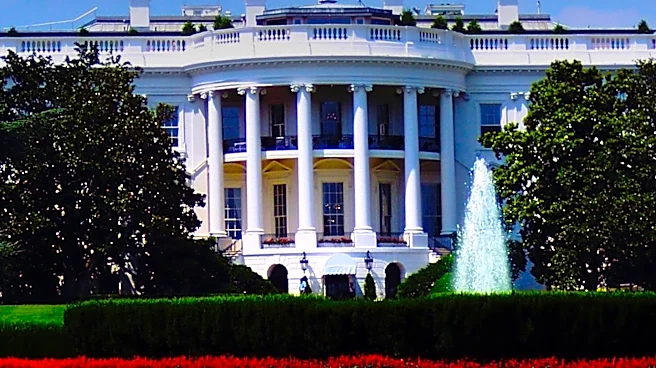
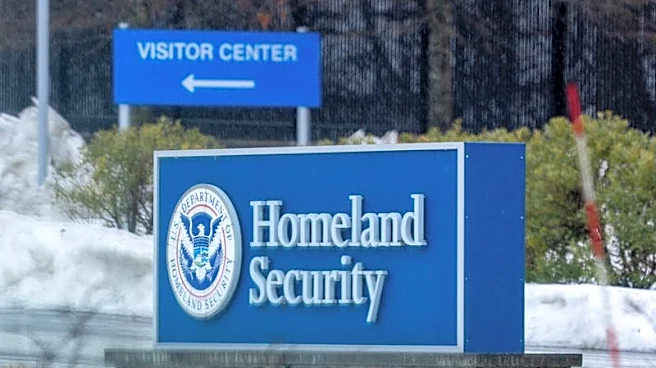
The administration of President Trump has achieved another court victory regarding Temporary Protected Status (TPS), as a district judge overturned an order that had prevented the Department of Homeland Security (DHS) from ending protections for individuals
from Ethiopia. This decision by Judge Brian Murphy means that 13 countries, which previously held TPS designations granting temporary legal status and work authorization, have now lost these protections during President Trump's second term. While some terminations occurred last year, others were affected by a June 2026 Supreme Court decision that favored the DHS's position. When President Trump returned to office in January 2025, 17 countries had TPS designations. Since then, his administration has moved to terminate protections for 13 of them, impacting approximately 1 million of the 1.3 million TPS recipients at the start of his second term. Administration officials argue that many TPS designations had been extended for too long and that conditions in the affected countries have improved sufficiently for migrants to return. They maintain that TPS was intended to be temporary and not a permanent immigration program.
Why It's Important?
The ongoing termination of TPS designations by President Trump's administration has significant implications for hundreds of thousands of migrants residing in the U.S. The loss of TPS means that these individuals will lose their legal status and work authorization, potentially exposing them to deportation proceedings if they do not qualify for other forms of legal residency. This policy shift affects communities that have often been established in the U.S. for many years, with families and careers built during their protected status. Immigration advocates strongly dispute the administration's assessment, arguing that many of the affected countries still face political instability, conflict, economic collapse, or humanitarian crises, making return unsafe. The Supreme Court's decision in June 2026, allowing revocations for countries like Haiti and Syria, has strengthened the government's position, making it increasingly difficult for legal challenges to succeed. This policy reflects a broader effort by the administration to tighten immigration controls and redefine the scope of temporary humanitarian protections.
What's Next?
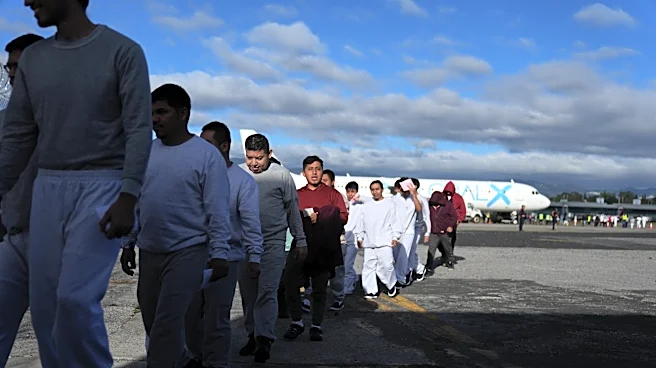
For migrants who lose TPS, the consequences will vary based on their individual immigration circumstances. Some may have alternative protections, such as pending asylum cases, family-based petitions, or employment-based applications. Others might seek to adjust their status through marriage to U.S. citizens or other eligibility pathways. However, for many long-term TPS holders, the loss of this status will mean losing their ability to legally work and reside in the U.S., potentially leading to deportation. A DHS spokesperson indicated that it is 'closing time,' implying that while individuals don't have to go home, they cannot stay without legal status, and offered a $2,600 check and a free flight home. Despite the recent court rulings, the legal battle is not entirely over, as Judge Murphy allowed plaintiffs to continue pursuing claims that the administration's decisions might have been influenced by racial or national-origin bias. This suggests that while the broader effort to terminate TPS is advancing, specific legal challenges based on discriminatory motives may still proceed.
Beyond the Headlines
The termination of TPS for numerous countries raises profound ethical and humanitarian questions about the U.S.'s role in providing refuge to those fleeing difficult circumstances. Critics argue that the administration's actions disregard the realities on the ground in these countries and the established lives of TPS holders in the U.S. The debate over whether TPS should be a temporary or de facto permanent program highlights a fundamental tension in immigration policy: balancing humanitarian concerns with national security and economic considerations. The legal challenges, particularly those alleging discriminatory motives, point to deeper societal issues regarding race and national origin in immigration policy. This situation could lead to increased undocumented populations, family separations, and a loss of skilled labor, impacting both the affected communities and the broader U.S. economy. The long-term implications for U.S. immigration policy and its international standing as a haven for those in need remain a significant concern.