
What's Happening?
Health officials have issued an urgent warning following the confirmation of two Nipah virus cases in West Bengal, India. The Nipah virus, a zoonotic disease transmitted from animals to humans, has a high
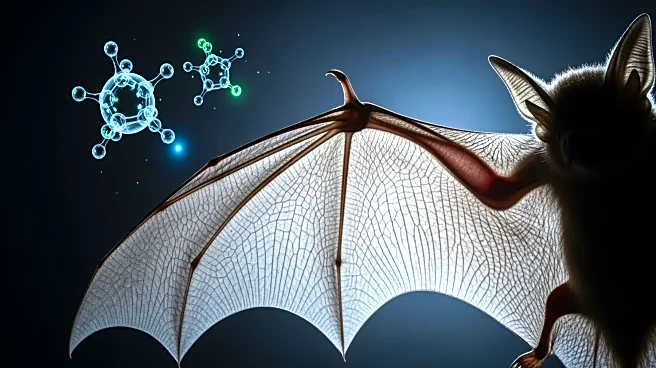
fatality rate and no known cure. The virus is primarily spread by bats and pigs, and outbreaks have been cyclical in South Asia. The Indian Health Ministry has identified 196 individuals who may have been in contact with the infected persons, all of whom have tested negative so far. The World Health Organization has classified Nipah as a priority pathogen due to its potential to cause an epidemic.
Why It's Important?
The Nipah virus poses a significant public health threat due to its high mortality rate and lack of treatment options. An outbreak could have severe implications for global health, particularly if it spreads beyond the current region. The economic impact could also be substantial, affecting agriculture and livestock industries. The situation underscores the need for global preparedness and investment in vaccine development for emerging infectious diseases. The potential for climate change to expand the range of disease vectors further complicates the public health landscape.
What's Next?
Authorities are intensifying surveillance at border points and conducting health checks to prevent the spread of the virus. Efforts to develop a vaccine are underway, with trials expected to begin in Bangladesh. The international community may need to collaborate on research and response strategies to mitigate the risk of a larger outbreak. Public health agencies will likely continue to monitor the situation closely and adjust strategies as needed to protect public health.