




What's Happening?
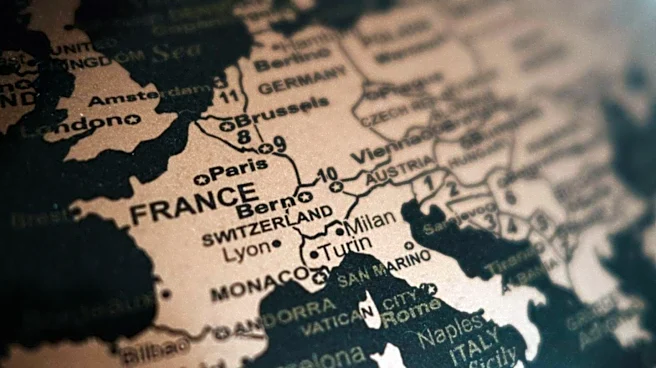
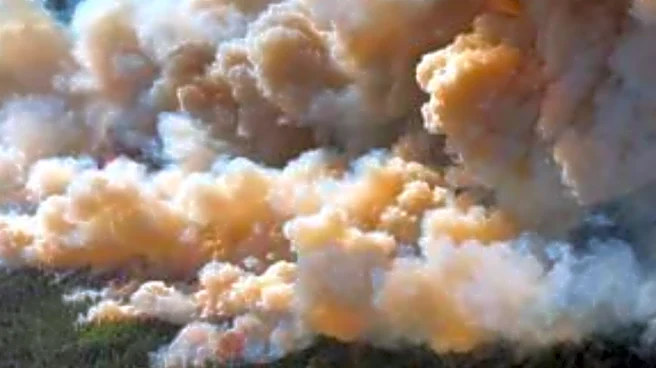
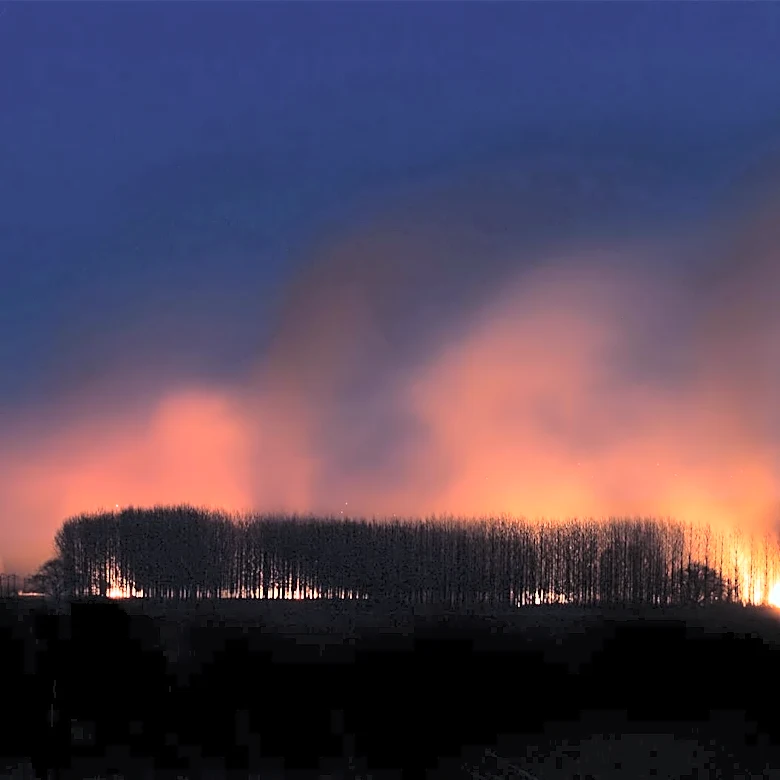
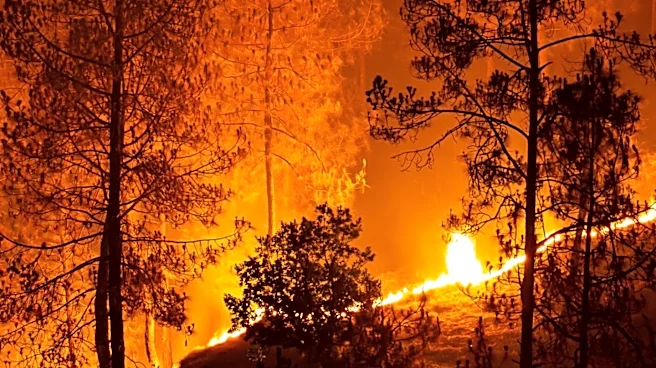
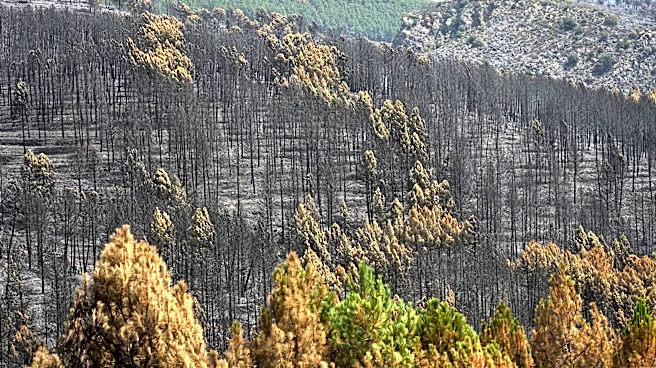
Spain and France are grappling with severe wildfires that have led to the evacuation of tens of thousands of people. In Spain, a national emergency was declared as wildfires near Madrid forced the evacuation of approximately 10,000 residents. The Spanish
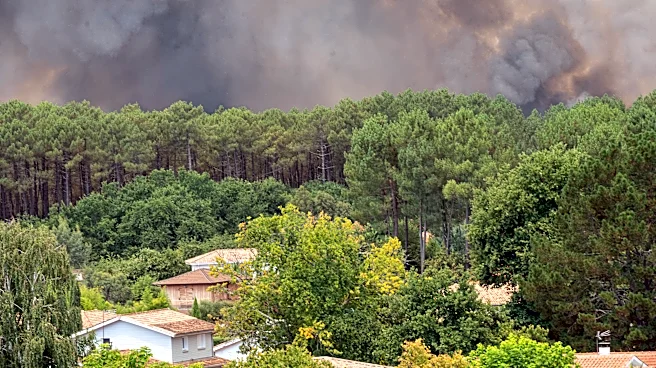
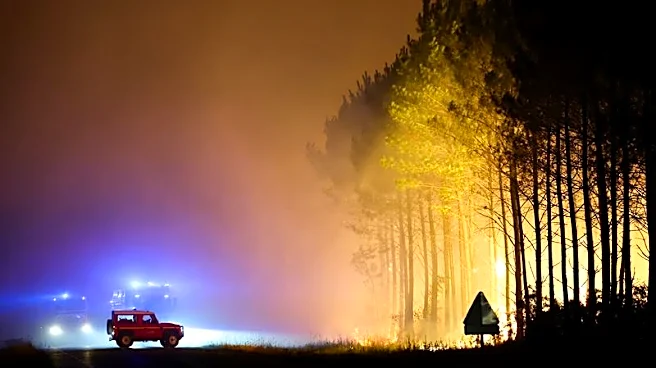
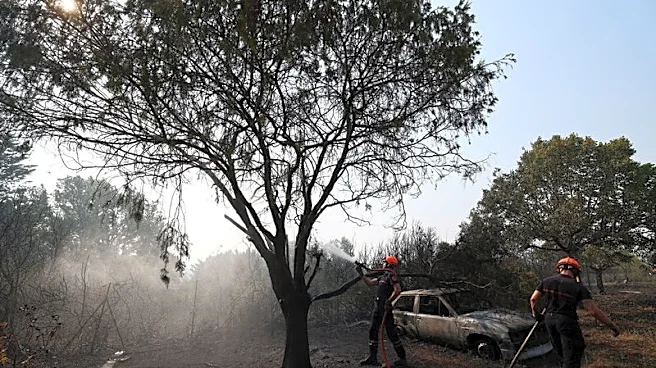
government has taken control of firefighting efforts, deploying military and national firefighting brigades to assist regional units. Meanwhile, in France, over 40,000 people have been evacuated from the Gironde department due to large wildfires. The French government has requested assistance from the European Union, receiving support from several member countries. The wildfires are exacerbated by a heatwave, with temperatures soaring above 39 degrees Celsius in parts of Spain.
Why It's Important?
The wildfires highlight the increasing vulnerability of southern Europe to climate change, which is intensifying the frequency and severity of such natural disasters. The evacuations and destruction of homes underscore the immediate human impact, while the broader economic implications include potential disruptions to tourism and agriculture. The situation also stresses the importance of international cooperation in disaster response, as seen in the EU's coordinated efforts to provide firefighting resources. The events may prompt further discussions on climate policy and emergency preparedness in the region.
What's Next?
As the fires continue to burn, authorities in both countries are focused on containment efforts. The Spanish and French governments are likely to assess the effectiveness of their current strategies and may consider additional measures to prevent future incidents. The EU's involvement could lead to more robust mechanisms for cross-border disaster response. In the longer term, these events may influence policy decisions related to climate change adaptation and mitigation, as well as investments in firefighting infrastructure and technology.
Beyond the Headlines
The wildfires serve as a stark reminder of the broader environmental challenges facing Europe. They may catalyze public and political pressure for more aggressive climate action. Additionally, the events could lead to increased scrutiny of land management practices and urban planning in fire-prone areas. The psychological impact on affected communities, including trauma and displacement, is another critical aspect that may require attention from mental health services and social support systems.