





What's Happening?
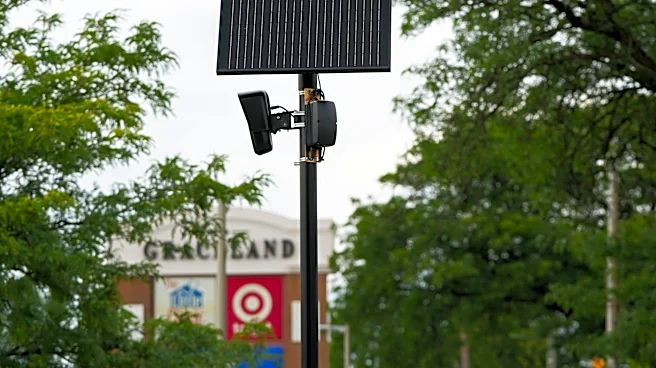
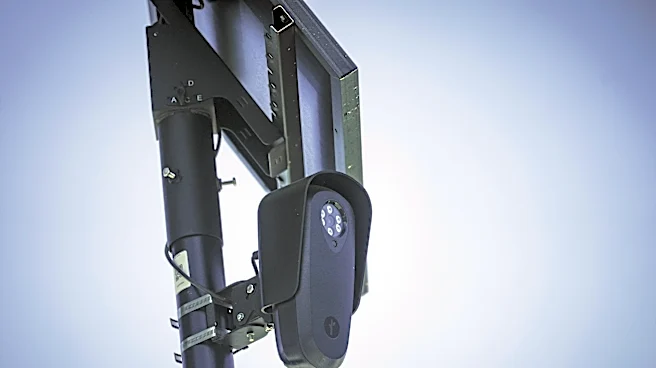
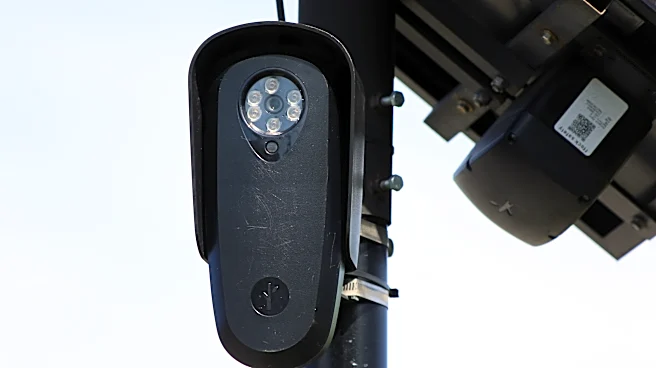
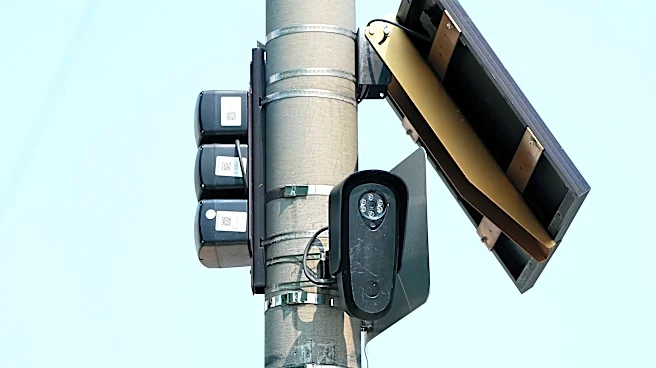
Goochland County Sheriff Steven Creasey has announced the suspension of Flock Automatic License Plate Recognition (ALPR) cameras in the county. This decision follows a period of consideration that weighed community input, the public safety benefits of the cameras,
and privacy concerns, alongside the evolving legal landscape surrounding ALPR technology. Sheriff Creasey emphasized that the suspension is not due to any identified misuse of the system. He acknowledged the value of ALPR technology as an investigative tool for locating stolen vehicles, missing persons, wanted individuals, and vehicles linked to criminal activity. However, he also recognized residents' concerns regarding privacy, data access, and the constitutional rights of law-abiding citizens. The Sheriff's office plans to continue monitoring legal, technological, and policy developments related to ALPR systems. Creasey thanked the community members who provided their views, indicating that public feedback played a role in the decision-making process.
Why It's Important?
This decision by the Goochland County Sheriff's Office highlights a growing national debate regarding the balance between public safety and individual privacy rights in the age of advanced surveillance technology. The suspension of Flock ALPR cameras in Goochland County could set a precedent for other jurisdictions grappling with similar issues. For law enforcement, the loss of this technology, while not deemed misused, removes a tool that has proven effective in certain investigations. Conversely, for civil liberties advocates and privacy-conscious citizens, this move represents a victory, affirming concerns about potential overreach and the collection of vast amounts of data on innocent individuals. The 'evolving legal landscape' mentioned by Sheriff Creasey suggests that courts and legislatures are increasingly scrutinizing the deployment and use of ALPR systems, which could lead to more standardized regulations or outright bans in other areas. This development underscores the tension between technological capabilities and societal values, impacting how communities approach policing and surveillance in the future.
What's Next?
The Goochland County Sheriff's office will continue to monitor legal, technological, and policy developments concerning ALPR systems. This suggests that the suspension may not be permanent, and the county could revisit the use of such technology if legal frameworks evolve or if new, more privacy-protective versions of ALPR systems become available. Other localities and law enforcement agencies across the U.S. will likely observe Goochland County's experience and the public reaction to this suspension. This could influence their own decisions regarding the adoption or continued use of ALPR technology. The ongoing public discourse around surveillance, privacy, and law enforcement tools is expected to intensify, potentially leading to legislative actions at state or federal levels to regulate these technologies more comprehensively. Community groups and privacy advocates will likely continue to push for greater transparency and accountability in the use of surveillance tools by government agencies.
Beyond the Headlines
The suspension of Flock ALPR cameras in Goochland County touches upon deeper societal implications concerning the 'surveillance state' and the erosion of anonymity in public spaces. While ALPR systems offer undeniable benefits in solving crimes and locating individuals, their pervasive nature raises fundamental questions about the right to privacy in a democratic society. The collection and storage of license plate data, even without direct misuse, create a comprehensive record of citizens' movements, which could be vulnerable to data breaches or used for purposes beyond initial intent. This situation also highlights the increasing role of community input in shaping public policy, demonstrating that citizen concerns can directly influence the operational decisions of law enforcement agencies. The 'evolving legal landscape' suggests a broader trend where technological advancements are outpacing existing legal and ethical frameworks, necessitating a re-evaluation of how personal data is collected, stored, and utilized by both public and private entities.